Sump Pump in India for Reliable Drainage and Water Control
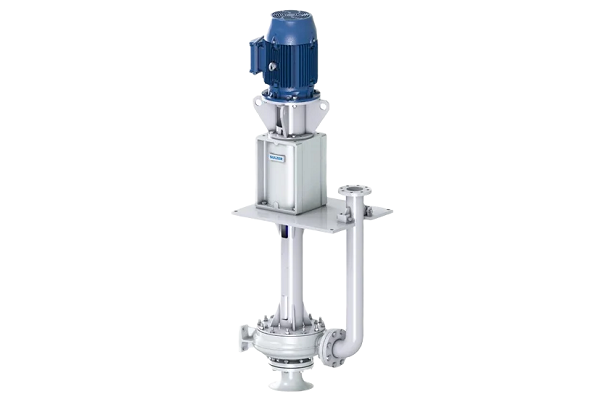
Water accumulation can disrupt industrial production, commercial facilities, construction sites, and residential spaces. Reliable drainage equipment helps control this problem before it affects operations or property. A suitable Sump Pump in India supports the removal of collected water from pits, basements, tanks, and low-lying areas. However, selecting the right unit requires more than checking its price or motor rating. Buyers should assess the liquid, required flow, lifting height, installation environment, and expected operating hours. Malhar Pumps offers pumping solutions for applications that demand consistent water movement and practical equipment selection.
The Role of Sump Pump in India Across Different Sites
A sump pump removes water gathered in a collection pit or sump. It helps prevent flooding, protects machinery, and keeps work areas usable. In factories, these units may handle seepage, wash water, or accumulated process water. Construction teams use them to clear excavation areas and maintain safer working conditions. Commercial buildings also depend on drainage systems to manage rainwater and groundwater.
Demand for a Sump Pump in India varies because operating environments differ widely. A unit installed in a basement may face different conditions from one used at a construction project. Therefore, buyers should identify the source of water and estimate how quickly the pit can fill. This information helps determine the required pumping capacity and suitable equipment design.
Key Factors Behind Effective Pump Selection
Flow rate is one of the first specifications to review. It indicates how much liquid the pump can move within a given period. The required flow depends on the volume entering the sump and the time available for drainage. Choosing a Sump Pump in India with inadequate capacity may allow water levels to rise during heavy inflow. An oversized unit, meanwhile, can increase energy use and operating costs.
Next, consider the total head. This includes the vertical distance the water must travel and the resistance created by pipes, bends, and valves. Pipe diameter also matters because narrow or lengthy pipelines can reduce performance. A clear assessment of these details helps match the pump to the actual installation rather than relying on assumptions.
Construction Materials and Operating Conditions
The liquid being pumped influences material selection. Clean water generally places fewer demands on pump components than water containing sand, sludge, fibres, or corrosive substances. If solids are present, buyers should check the permitted particle size and the design of the impeller and inlet. Material compatibility is equally important when the liquid contains chemicals or has unusual properties.
A Sump Pump in India should also suit the surrounding environment. Outdoor installations may need protection from rain, dust, and temperature changes. Submersible models require appropriate cable protection and dependable sealing. In locations where equipment runs frequently, robust bearings, suitable motor protection, and accessible service points can help reduce interruptions. Reviewing these factors before purchase can prevent avoidable maintenance problems.
Installation Practices That Support Long Service
Correct installation has a direct effect on pump performance. The sump should provide enough space for the unit and allow water to enter without obstruction. Installers should position the pump on a stable base or use the mounting arrangement recommended for the model. The discharge line must be properly supported, while suitable valves can help control backflow and simplify maintenance.
Electrical safety deserves equal attention. The supply should match the motor specifications, and qualified personnel should provide suitable earthing and overload protection. Float switches or level controls can start and stop the pump automatically as water levels change. With a properly selected Sump Pump in India, these controls can reduce unnecessary running and help maintain dependable drainage.
Maintenance Checks for Consistent Performance
Routine inspection helps identify developing issues before they cause a breakdown. Operators should check the sump for debris, confirm that the inlet remains clear, and inspect the discharge line for leaks or blockages. They should also listen for unusual noise and watch for vibration, overheating, or reduced water output.
The maintenance schedule should reflect the workload and water quality. Equipment handling dirty water may need more frequent cleaning than a unit serving a clean drainage pit. Follow the manufacturer’s instructions for lubrication, electrical checks, and component replacement. Keeping service records also helps teams identify recurring faults and plan maintenance at suitable times. These simple practices support the working life of a Sump Pump in India.
Malhar Pumps and Application-Based Pumping Solutions
Selecting equipment becomes easier when buyers discuss site conditions with an experienced pump supplier. Malhar Pumps can help customers consider application requirements, pump construction, and operating expectations before finalising a suitable model. Buyers should share details such as water characteristics, required discharge, delivery height, available power supply, and installation space. Accurate information supports a more relevant recommendation.
A supplier should also explain product specifications, installation needs, and routine service considerations. This discussion helps purchasers understand how the selected equipment will fit into their facility. When comparing a Sump Pump in India, review technical suitability alongside price, expected service needs, and the availability of support. A balanced decision can help control ownership costs over the equipment’s working life.
Multistage Pump in India for Higher-Pressure Duties
Some installations require more pressure than a conventional drainage arrangement can provide. In these situations, a Multistage Pump in India may be considered for applications that need higher head, such as water transfer to elevated locations or distribution through longer pipelines. Its design uses multiple impellers arranged in stages to build pressure as liquid passes through the pump. The correct selection still depends on flow demand, liquid properties, motor capacity, and system resistance. Buyers should evaluate the duty carefully because a multistage model serves a different purpose from a sump drainage unit.
Conclusion
Effective water removal protects buildings, equipment, and everyday operations from avoidable disruption. Buyers should assess flow, total head, liquid quality, construction materials, electrical conditions, and maintenance access before choosing a pump. A correctly specified Sump Pump in India can support dependable drainage across industrial, commercial, and construction environments. Malhar Pumps provides a starting point for discussing application needs and identifying suitable pumping equipment. With careful selection, professional installation, and regular inspection, facilities can maintain efficient water management while reducing unexpected downtime and unnecessary operating expenses.
 Methanol Injection Systems for Reliable Industrial Operations
 Soap Fragrance Exporter in India Supporting Modern Soap Brands
 Industrial Agitators for Better Process Control and Plant Efficiency
 Manual Stacker: A Reliable Asset for Efficient Warehouse Operations
 Outdoor Parking Tiles in Morbi for Strong and Stylish Spaces
 Ss 2 in 1 Pulverizer Machine for Efficient Food Grinding Operations
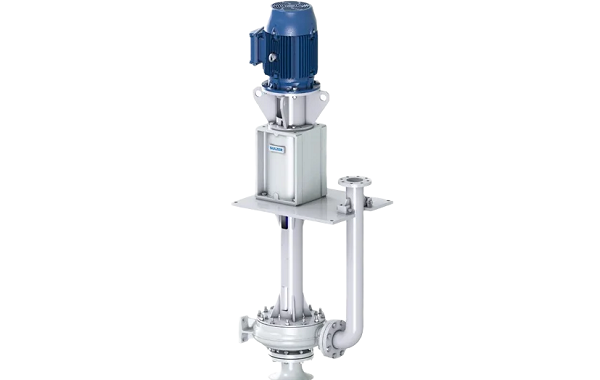 Sump Pump in India for Reliable Drainage and Water Control
 Soap Fragrance: Creating Memorable Scents for Everyday Personal Care