Methanol Injection Systems for Reliable Industrial Operations
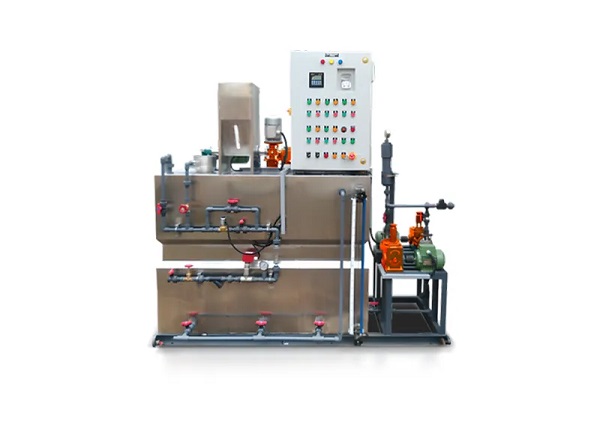
Industrial facilities often operate under challenging conditions where fluid handling, temperature control, and equipment protection require careful attention. Chemical injection systems help maintain process stability by introducing specific substances at controlled rates. Methanol Injection is widely used in oil and gas operations to manage hydrate formation and support uninterrupted flow through pipelines and processing equipment. Selecting an appropriate system involves understanding operating conditions, chemical requirements, equipment compatibility, and safety measures. With suitable engineering and monitoring, industrial operators can improve process reliability while maintaining better control over their chemical treatment activities.
Understanding the Role of Methanol in Industrial Processes
Methanol is a chemical compound commonly used in industrial applications because of its ability to reduce hydrate formation under suitable operating conditions. Gas pipelines and production facilities may experience low temperatures and high pressures, creating conditions where water and natural gas form solid hydrates.
These deposits can restrict flow, increase pressure differences, and interrupt production. A properly designed Methanol Injection arrangement introduces the required chemical into the process stream to reduce this risk.
The injection rate depends on several factors, including water content, operating pressure, temperature, and gas composition. Therefore, engineers must evaluate actual process conditions before determining the required dosing capacity.
How Methanol Injection Systems Support Flow Assurance
Flow assurance is an important consideration in oil and gas production. Pipelines must transport fluids without unnecessary restrictions or operational interruptions. Hydrate formation can create serious challenges, particularly in offshore facilities, cold environments, and long-distance transportation networks.
A suitable Methanol Injection system delivers chemical at selected points within the process. This controlled supply helps maintain the required concentration under changing operating conditions.
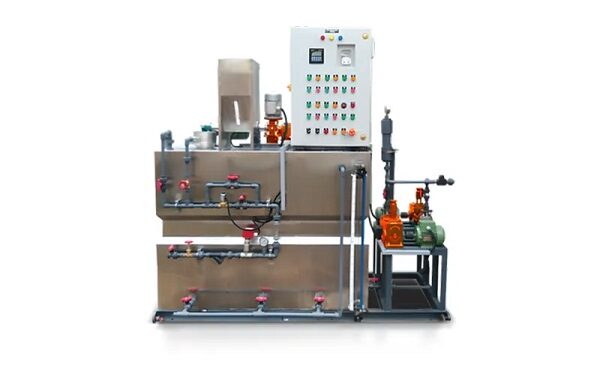
The equipment generally includes chemical storage arrangements, metering pumps, injection connections, valves, instrumentation, and control components. Each element contributes to accurate delivery and dependable operation.
System design should also consider pressure requirements, chemical compatibility, installation space, and maintenance accessibility. These details help ensure that the equipment meets the actual demands of the facility.
Essential Components of an Industrial Injection Package
Every injection package requires components selected according to its application. Storage tanks hold the chemical supply, while metering pumps provide controlled delivery into the process line.
Piping and injection quills help transport and introduce the chemical at designated locations. Pressure gauges, flow indicators, and control instruments allow operators to monitor system performance.
A well-engineered Methanol Injection package should also include suitable isolation arrangements and protective devices. These components support maintenance activities and help operators respond to abnormal operating conditions.
Material selection deserves particular attention because chemical properties, pressure exposure, and environmental conditions can influence equipment life. Engineers should review material specifications before finalising the package.
Important Factors During System Selection
Selecting industrial injection equipment requires more than comparing pump capacities. Each facility has specific operating requirements that influence the final configuration.
Consider the following factors during evaluation:
- Required chemical injection rate and operating pressure.
- Methanol compatibility with wetted equipment materials.
- Available power supply and control arrangements.
- Ambient temperature and installation environment.
- Storage capacity and chemical replenishment requirements.
- Maintenance access and spare parts availability.
These considerations help engineers identify a suitable Methanol Injection solution for their process. They should also review future operating requirements to avoid unnecessary equipment limitations.
Automation and Monitoring for Better Control
Modern industrial facilities increasingly use automation to improve chemical dosing accuracy. Automated controls can adjust pump operation according to process measurements, operating schedules, or predefined control instructions.
Monitoring instruments provide information about flow rates, pressure conditions, and equipment status. Consequently, operators can identify irregularities and take corrective action before they affect the wider process.
A properly configured Methanol Injection system may also support integration with plant control systems. However, the automation strategy must reflect the facility’s operational philosophy and safety requirements.
Routine inspection remains necessary even when automated controls are installed. Operators should verify instrument accuracy, inspect connections, and follow preventive maintenance schedules.
Safety Considerations for Chemical Injection Operations
Methanol requires careful handling because it is flammable and toxic. Industrial facilities must establish appropriate procedures for storage, transfer, operation, and maintenance.
Equipment should be installed in accordance with applicable engineering standards and site-specific safety requirements. Proper ventilation, suitable electrical equipment, leak detection, and emergency arrangements are important considerations.
Personnel should receive training on chemical hazards, protective equipment, spill response, and safe operating procedures. In addition, maintenance teams should follow approved isolation and permit-to-work practices.
A reliable Methanol Injection installation combines suitable equipment with responsible operating procedures. Regular safety reviews help identify potential risks and maintain compliance with relevant regulations.
Premix Technologies and Industrial Equipment Requirements
Choosing an equipment provider requires attention to engineering capability, application knowledge, documentation, and after-sales support. Industrial buyers should evaluate whether the proposed package matches their process specifications.
Premix Technologies can be considered when exploring industrial injection equipment solutions. Before finalising a project, buyers should discuss required flow capacity, operating pressure, chemical properties, instrumentation preferences, and installation conditions.
Clear technical communication helps suppliers understand project expectations. It also supports accurate equipment selection, appropriate configuration, and smoother coordination during installation and commissioning.
Supporting Reliable Chemical Treatment Across Facilities
Industrial chemical treatment involves several connected processes. Injection equipment must work alongside storage arrangements, pipelines, control instruments, and operational procedures. Oxygen Scavenger Injection Packages Supplier is a relevant search term for facilities evaluating complementary chemical treatment equipment. Oxygen scavenger packages are used in suitable industrial water systems to reduce dissolved oxygen and help limit corrosion risks. Their design may include storage tanks, metering pumps, instruments, and associated piping. Buyers should assess chemical requirements, system capacity, material compatibility, and operating conditions before selecting a package. Although these systems serve a different treatment purpose, they form part of broader chemical management strategies in industrial facilities.
Conclusion
Effective chemical dosing supports dependable operations across demanding industrial environments. Proper engineering, suitable equipment selection, accurate monitoring, and responsible chemical handling all contribute to successful process management. Methanol Injection plays an important role in hydrate prevention strategies when operating conditions require this treatment. Businesses should evaluate process specifications, safety requirements, equipment materials, and maintenance needs before selecting a package. With careful project planning and appropriate technical support, Premix Technologies can be considered during the evaluation of industrial injection solutions designed to support reliable facility operations.
 Soap Fragrance Exporter in India Supporting Modern Soap Brands
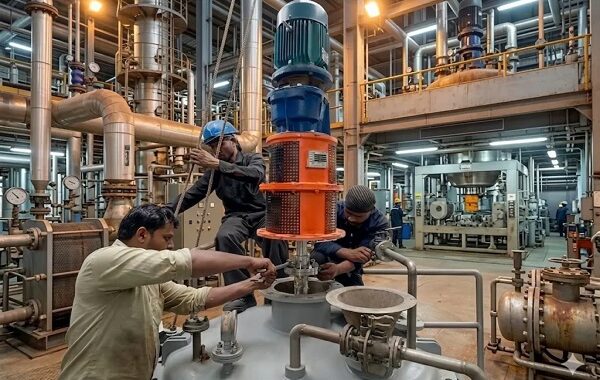 Industrial Agitators for Better Process Control and Plant Efficiency
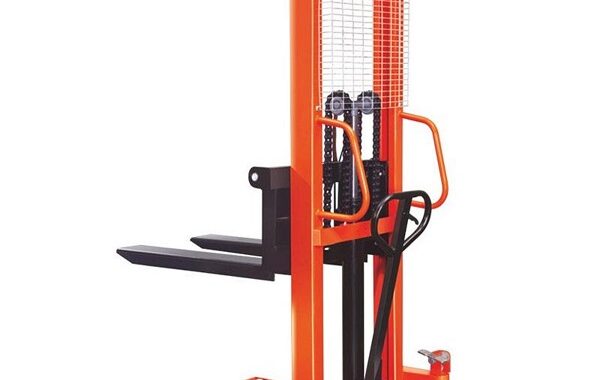 Manual Stacker: A Reliable Asset for Efficient Warehouse Operations
 Outdoor Parking Tiles in Morbi for Strong and Stylish Spaces
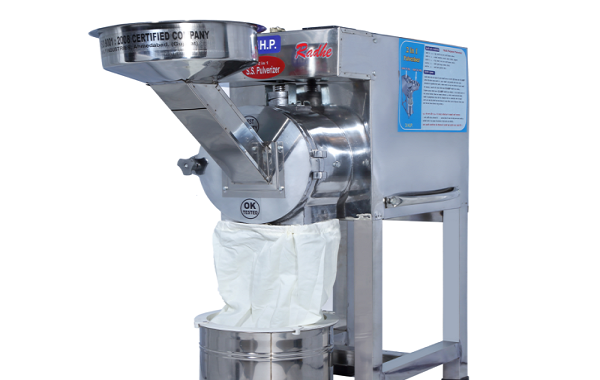 Ss 2 in 1 Pulverizer Machine for Efficient Food Grinding Operations
 Makhana Powder Exporter Standards for Quality, Traceability and Global Trade
 Methanol Injection Systems for Reliable Industrial Operations
 Soap Fragrance: Creating Memorable Scents for Everyday Personal Care
 Rising Stem Gate Valve Gearbox for Better Industrial Performance