Hydraulic Press Brakes: Precision Sheet Metal Bending Solutions
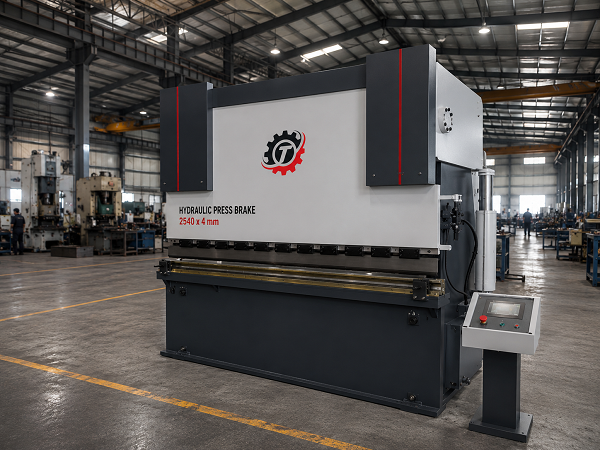
Modern metal fabrication demands equipment that can deliver accurate bends, repeatable results, and dependable performance. Manufacturers handling different sheet thicknesses need machinery that combines power with control. Hydraulic Press Brakes provide a practical solution by using hydraulic force to shape metal components with consistent pressure and controlled movement. These machines support fabrication businesses across automotive, construction, electrical, engineering, and general manufacturing sectors. With suitable specifications and proper operation, they can improve productivity while reducing manual effort and material waste. Trufmac Global helps businesses evaluate suitable machinery according to production requirements, material characteristics, and long-term operational goals.
The Role of Hydraulic Press Brakes Bending Technology
The basic purpose of Hydraulic Press Brakes is to transform flat metal sheets into accurately formed components. A punch applies force against the workpiece while a die supports the material underneath. The controlled movement creates the required bend according to the programmed or manually adjusted settings.
Hydraulic systems generate the force required for different fabrication tasks. Because pressure can be controlled, operators can work with various materials and thicknesses while maintaining greater consistency.
Important Machine Specifications
Selecting suitable machinery requires attention to several technical specifications. Tonnage determines the amount of force available for bending, while bed length affects the maximum workpiece size that can be handled.
When comparing Hydraulic Press Brakes, manufacturers should review bending capacity, stroke length, throat depth, working speed, back gauge configuration, control system, and machine construction. These specifications should match actual production requirements instead of being selected solely according to price.
A machine with appropriate capacity can deliver better efficiency and avoid unnecessary limitations during daily production.
CNC Controls for Better Repeatability
Modern fabrication environments increasingly rely on automation and digital controls. CNC technology allows operators to program bending sequences and positioning values before production begins.
With properly configured Hydraulic Press Brakes, CNC controls can reduce repetitive manual adjustments. Operators can store commonly used programs and reproduce established bending operations more consistently.
However, CNC functionality does not eliminate the need for skilled operators. Correct programming, tooling selection, material positioning, and machine setup remain essential for achieving accurate results.
Industrial Applications
Sheet metal bending is required across numerous industries. Fabricators may produce equipment covers, brackets, cabinets, frames, channels, panels, and structural components.
Automotive manufacturers and component suppliers can use Hydraulic Press Brakes for forming different metal parts. Electrical industries may require accurately bent enclosures and control cabinets. Construction and engineering companies can process thicker materials for supports, covers, and fabricated assemblies.
The correct machine depends on the application. Material thickness, bend radius, component dimensions, production quantity, and required accuracy should all be considered before equipment selection.
Matching Capacity With Production Needs
Machine capacity directly influences productivity. Manufacturers should calculate the force required for their regular materials and component dimensions before purchasing equipment.
For Hydraulic Press Brakes, selecting too little capacity can restrict production and create operational challenges. Conversely, buying significantly more capacity than necessary can increase the initial investment without providing proportional benefits.
Future production should also be considered. Businesses expecting product expansion may benefit from equipment that offers reasonable additional capacity and flexible configuration options.
Tooling and Bend Accuracy
Tooling has a major influence on finished component quality. Punches and dies must be selected according to material type, thickness, bend angle, and required radius.
For Hydraulic Press Brakes, appropriate tooling can help maintain dimensional consistency and reduce surface damage. Incorrect tooling may produce unwanted marks, deformation, or inaccurate angles.
Material behavior also matters. Steel, stainless steel, aluminum, and other alloys respond differently during forming. Operators should account for springback and other characteristics when setting up the bending process.
Safety and Operator Practices
Safe machine operation should remain a priority in every fabrication facility. Operators should receive proper training before using bending equipment and understand the machine’s controls, operating limits, and emergency procedures.
Hydraulic Press Brakes should be inspected regularly to ensure that safety devices, emergency stops, guards, electrical connections, hydraulic components, and tooling remain in suitable condition.
Operators should keep the working area clean and follow recommended protective procedures. Preventing unsafe practices can reduce workplace risks and support smoother production.
Maintenance for Consistent Performance
Regular maintenance helps protect equipment performance. Hydraulic systems should be checked for leaks, pressure issues, damaged hoses, and worn seals. Lubrication, electrical inspection, tooling checks, and cleaning should also follow the manufacturer’s recommendations.
Proper maintenance of Hydraulic Press Brakes can reduce unexpected downtime. Planned inspections allow businesses to identify developing issues before they become major production problems.
A documented maintenance schedule can also help operators monitor machine condition and plan servicing without unnecessarily interrupting production.
Special Purpose Machine Suppliers
Special Purpose Machine Suppliers develop or provide machinery designed for specific industrial processes and production requirements. Their solutions can include customized machines, automation systems, fixtures, material handling arrangements, and application-specific equipment. Businesses may consider such suppliers when standard machinery cannot efficiently meet a particular manufacturing process. Trufmac Global can help industrial buyers understand equipment requirements and evaluate machinery solutions according to production volume, component specifications, material type, automation expectations, and operational objectives.
Selecting a Reliable Machinery Partner
Choosing the right supplier involves more than comparing machine prices. Businesses should evaluate technical support, machine quality, service availability, spare parts, installation assistance, and long-term maintenance support.
For companies considering Hydraulic Press Brakes, sharing detailed production information with the supplier can make the selection process more effective. Important details include material grades, sheet thickness, maximum component dimensions, required bend angles, production volume, and desired automation.
Trufmac Global can help businesses assess these factors before finalizing their machinery requirements.
Investment and Operating Value
The total cost of machinery includes more than its purchase price. Energy use, maintenance, tooling, operator requirements, servicing, and potential downtime can influence long-term operating expenses.
Hydraulic Press Brakes that provide reliable performance and repeatable output can contribute to improved production efficiency. Businesses should therefore evaluate expected productivity and service requirements alongside the initial investment.
A detailed comparison of machine capabilities can help manufacturers select equipment that supports their current needs while allowing room for future growth.
Conclusion
Hydraulic Press Brakes continue to play an important role in modern sheet metal fabrication because they combine hydraulic power, controlled movement, and flexible bending capabilities. The right equipment can improve production consistency, reduce rework, and support a wide range of industrial applications. Before investing, manufacturers should evaluate tonnage, working length, CNC controls, tooling, material requirements, safety features, maintenance needs, and future production plans. Trufmac Global can assist businesses in understanding these factors and identifying suitable machinery solutions. With proper selection, operation, and maintenance, Hydraulic Press Brakes can become a dependable asset for efficient and productive metal fabrication.
 Tensile Fabric Structure: Modern Shade Solutions for Kuwait
  All in One PVC Card Printing Software for Smarter Card Management
  Porcelain Tile Slabs Supplier in Morbi for Modern Surface Design
  Durga puja chunri manufacturer for Devotional Festival Needs
 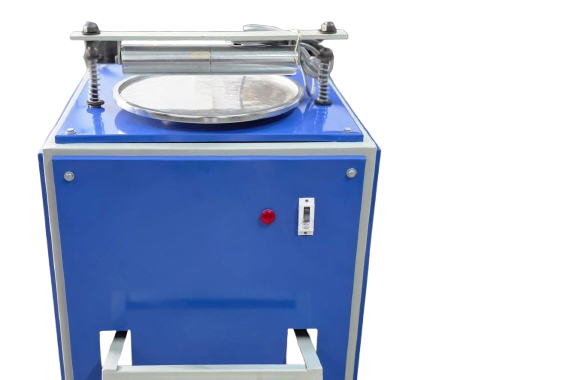 Papad Making Machine for Efficient and Consistent Papad Production
  Makhana Exporter in India for Premium Quality Global Markets
  Best CUET Coaching in Faridabad: How to Choose the Right One
  Shri Gajanan Maharaj Sansthan Trimbakeshwar Pilgrimage Information
  Custom Ecommerce Website Development: Build an Online Store That Grows Your Business
  Garage in Sangvi for Dependable Motorcycle Care and Servicing