Industrial Batteries for Efficient Power Across Industrial Operations
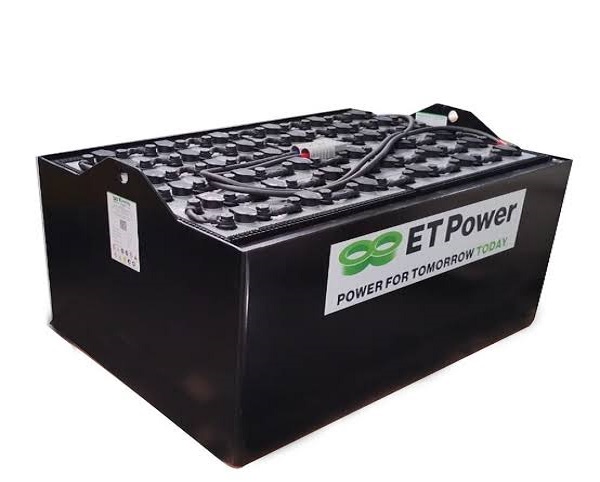
Industrial facilities depend on reliable energy to keep machinery, warehouse systems, and material handling equipment running throughout the working day. In demanding environments, Industrial Batteries provide a practical power source for equipment that requires consistent performance and dependable operation. Businesses must consider capacity, charging requirements, operating conditions, and maintenance before selecting a suitable battery. These factors influence productivity as well as long-term operating costs. Chandigarh Engineering Corp helps businesses explore industrial equipment solutions that support daily operational needs. With informed selection and proper care, companies can improve equipment availability and maintain a dependable workflow across different industrial settings.
Reliable Energy for Industrial Workplaces
Manufacturing plants, distribution centres, and warehouses need power systems that can withstand regular use. Equipment often operates for extended periods, making dependable energy storage an important consideration. Industrial Batteries support electric machinery by supplying energy when and where it is needed.
Their suitability depends on equipment specifications and working conditions. For example, some operations require frequent charging, while others need longer running periods between charging sessions. Therefore, businesses should assess actual usage before choosing a battery system. A suitable match can help reduce interruptions and support consistent daily output.
Industrial Batteries and Performance Requirements
Battery performance affects equipment availability, operational planning, and energy management. When evaluating Industrial Batteries, buyers should examine voltage, capacity, discharge characteristics, and compatibility with the intended machine. These specifications determine whether a battery can meet the equipment’s power demands.
Moreover, working temperature and charging frequency can influence service life. A battery selected without considering these conditions may deliver disappointing results. Businesses should review manufacturer guidance and equipment manuals before purchasing. This simple step helps prevent compatibility issues and supports safer operation.
Choosing the Right Battery Technology
Different battery technologies serve different industrial requirements. Lead-acid batteries remain common in applications where established technology and cost considerations matter. Lithium-ion options may suit operations seeking faster charging, reduced routine maintenance, and efficient energy use.
However, no single technology works best for every workplace. Buyers should compare purchase price, expected service life, charging infrastructure, and operating schedules. Industrial Batteries must also match the equipment’s electrical requirements. Consulting a qualified supplier can clarify these differences and help businesses make decisions based on practical needs rather than price alone.
Applications Across Warehouses and Factories
Industrial energy systems support many types of equipment, including forklifts, cleaning machines, automated handling systems, and selected manufacturing tools. Their role becomes particularly important in facilities where equipment movement continues throughout multiple shifts.
For warehouse managers, reliable power helps maintain stock movement and order preparation. In manufacturing environments, suitable batteries can support equipment used to transport components between production areas. Businesses should identify the machines that consume the most energy and prioritise their requirements. This assessment makes purchasing decisions more focused and helps prevent avoidable downtime.
Safety Practices During Daily Operation
Battery safety requires attention from installation through charging and storage. Workers should follow the manufacturer’s instructions and receive suitable training before handling battery systems. Appropriate protective equipment may be necessary, depending on battery chemistry and workplace procedures.
Charging areas should provide suitable ventilation when required, while connections and cables need regular inspection. Damaged components should be reported promptly rather than ignored. Businesses must also use compatible chargers because incorrect charging equipment can create performance and safety problems.
Additionally, clear workplace procedures help employees recognise warning signs such as unusual heat, leakage, swelling, or damaged connectors. Qualified personnel should investigate these conditions before equipment returns to service.
Maintenance That Protects Equipment Investment
Routine inspections can help identify developing problems before they interrupt operations. Maintenance requirements vary according to battery type, so workers should follow the recommended schedule instead of applying one procedure to every system.
For applicable lead-acid models, checking electrolyte levels and cleaning terminals may be necessary. Sealed batteries generally require different care. Industrial Batteries can deliver more dependable service when operators avoid deep discharges beyond manufacturer recommendations and use suitable charging cycles.
Keeping accurate maintenance records also benefits facility managers. Dates, charging patterns, inspection findings, and service activities can reveal recurring issues. Consequently, businesses can plan servicing more effectively and evaluate whether their existing power arrangements remain appropriate.
Material Handling Equipment and Warehouse Productivity
Material handling performance depends on equipment readiness, operator training, and effective warehouse planning. Businesses using powered stackers should consider lifting capacity, travel distance, aisle width, and expected working hours when assessing their equipment requirements. Battery compatibility is another essential factor because insufficient capacity may restrict productive operating time.
Electric Pallet Stackers can help warehouses move palletised goods through storage areas and loading zones where manual handling may be inefficient. Their suitability depends on load specifications, floor conditions, available space, and operating frequency. Businesses should compare equipment features with actual warehouse demands before making a purchase, while also ensuring operators receive appropriate safety training.
Support From Chandigarh Engineering Corp
Selecting industrial equipment requires a clear understanding of operational priorities. Chandigarh Engineering Corp can be considered when businesses are evaluating equipment-related solutions for industrial and material handling environments. Buyers should prepare details about machine models, required voltage, operating hours, load demands, and charging facilities before discussing their needs.
This information helps narrow the available options and reduces the likelihood of choosing an unsuitable system. Companies should also confirm product specifications, warranty conditions, service availability, and installation requirements directly with the supplier. Careful verification supports transparent purchasing decisions and helps organisations plan their equipment budgets responsibly.
Managing Costs Over the Equipment Lifecycle
The initial purchase price represents only one part of the overall investment. Charging electricity, maintenance, replacement frequency, labour, and downtime can influence total ownership costs. Comparing these expenses provides a clearer picture of long-term value.
Businesses should examine expected usage rather than selecting the cheapest available option automatically. Industrial Batteries that suit the workload may support more predictable operations over time. However, actual savings depend on technology, working conditions, charging practices, and maintenance quality.
A lifecycle comparison should include realistic operating estimates and supplier recommendations. This approach helps managers balance upfront spending with performance expectations and future replacement planning.
Conclusion
Reliable power supports productivity, equipment availability, and organised industrial operations. Choosing Industrial Batteries requires careful attention to capacity, technology, compatibility, safety, and maintenance requirements. Businesses should assess their working conditions before investing and follow manufacturer instructions throughout the battery’s service life. Chandigarh Engineering Corp can be approached for relevant industrial equipment enquiries, with specifications confirmed before purchase. By combining informed selection with responsible operating practices, organisations can manage energy needs more effectively and support dependable performance across demanding workplace applications.
 Tiles Manufacturers in Gujarat for Modern Spaces and Lasting Quality
 Masala Making Plant for Efficient Spice Processing and Production
 Tensile Fabric Structure: Modern Shade Solutions for Kuwait
 All in One PVC Card Printing Software for Smarter Card Management
 Porcelain Tile Slabs Supplier in Morbi for Modern Surface Design
 Durga puja chunri manufacturer for Devotional Festival Needs
 Best Ielts Online Coaching for Confident English Test Preparation
 Sunrise at Kanyakumari Wall Art for Inspiring Home Interiors
 Best Hotel in Mansarovar Jaipur for Memorable City Stays
 Industrial Batteries for Efficient Power Across Industrial Operations