Fusion Bonded Epoxy Coating: Benefits, Applications, and Industrial Uses
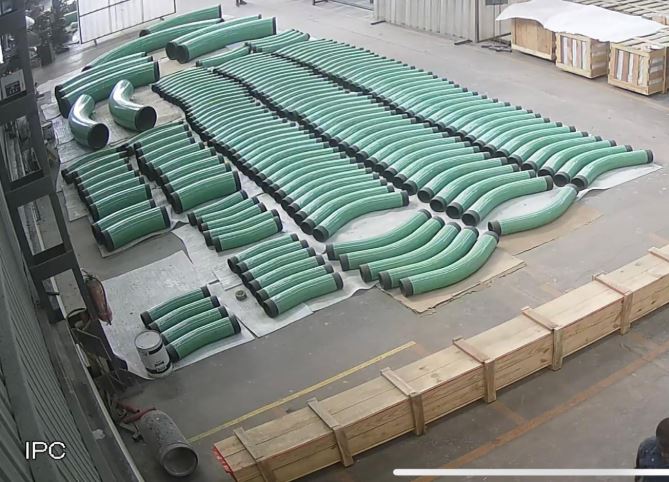
Industrial metal components often face challenging environmental conditions, including moisture, chemicals, temperature variations, and corrosion. Without proper protection, these conditions can gradually damage metal surfaces and reduce equipment life. Protective coatings help prevent such problems and maintain the performance of industrial assets.
Fusion Bonded Epoxy Coating is widely used to protect metal surfaces against corrosion and environmental damage. It creates a strong protective layer that bonds with properly prepared metal surfaces. Industries use this coating for pipelines, fittings, valves, and other metal components. Heatman Products is associated with industrial coating solutions designed to support the protection and durability of metal equipment.
What Is Fusion Bonded Epoxy Coating?
Fusion Bonded Epoxy Coating is a thermosetting powder coating applied to prepared metal surfaces. The powder is generally applied using an electrostatic spray process or another suitable application method. The metal is heated so the powder melts, flows, and forms a continuous protective film.
After curing, the coating develops strong adhesion and provides resistance against corrosion, moisture, and various chemicals. Its performance depends on surface preparation, application conditions, coating thickness, and curing parameters.
Unlike ordinary paint, this coating forms a durable protective layer designed for demanding industrial environments.
Major Benefits of Fusion Bonded Epoxy Coating
1. Excellent Corrosion Resistance
Corrosion can weaken metal components and increase maintenance requirements. This coating creates a protective barrier that helps prevent moisture and corrosive substances from reaching the underlying metal.
It is especially useful for pipelines and components exposed to soil, water, and industrial environments.
2. Strong Adhesion
Proper surface preparation and application allow the coating to bond firmly with the metal substrate. Strong adhesion helps reduce the risk of peeling and coating failure during normal service conditions.
3. Chemical Resistance
Industrial equipment may come into contact with different chemicals. Depending on the formulation and operating conditions, epoxy coatings can provide resistance against many chemical substances.
The coating specification should always match the chemical exposure expected in the application.
4. Long-Term Protection
A properly applied coating helps protect metal components throughout their service life. It can reduce corrosion-related maintenance and support the long-term performance of industrial infrastructure.
5. Uniform Protective Layer
The powder application process can produce a consistent coating when application and curing parameters are properly controlled. A uniform layer helps provide reliable protection across the treated surface.
Industrial Applications of Fusion Bonded Epoxy Coating
Several industries use epoxy-based protective coatings to improve the durability of metal components.
Pipeline Protection
Oil, gas, water, and other industrial pipelines require reliable corrosion protection. The coating helps protect internal or external pipeline surfaces, depending on the specified system and application requirements.
Valves and Fittings
Industrial valves, flanges, and fittings may experience moisture and chemical exposure. Applying a suitable protective coating helps maintain their surface condition and service performance.
Water Infrastructure
Water treatment plants and distribution systems use coated metal components to help manage corrosion risks. Coating selection depends on the water quality, operating conditions, and applicable standards.
Industrial Equipment
Manufacturing facilities use coated metal parts in different applications. A suitable coating can improve resistance to environmental exposure and reduce surface deterioration.
Fusion Bonded Epoxy Coating Application Process
The quality of the finished coating depends on each stage of the application process.
1. Surface Preparation
The metal surface must be cleaned to remove rust, oil, grease, mill scale, and other contaminants. Abrasive blasting is commonly used to achieve the required surface cleanliness and profile.
2. Preheating
The prepared component is heated to the specified temperature. Proper preheating supports powder melting and coating flow during application.
3. Powder Application
Epoxy powder is applied to the heated surface using the selected application technique. The powder melts and spreads across the metal to form a continuous layer.
4. Curing
The coating is maintained under controlled conditions to complete the curing process. Temperature and curing time depend on the coating manufacturer’s technical specifications.
5. Inspection and Quality Testing
The finished coating is inspected for thickness, appearance, adhesion, and other specified performance properties. Testing requirements depend on the project specification and relevant industry standards.
Factors to Consider When Selecting an Industrial Coating
Choosing an appropriate coating requires an understanding of the operating environment and performance requirements.
- Operating environment: Consider exposure to water, soil, chemicals, and temperature changes.
- Surface preparation: Confirm that the required cleanliness and surface profile can be achieved.
- Coating thickness: Select the specified thickness according to the application and relevant standards.
- Chemical exposure: Check compatibility with the substances the coated component will encounter.
- Quality standards: Review applicable project specifications, inspection methods, and testing requirements.
- Application expertise: Work with experienced coating professionals who follow controlled application procedures.
Heatman Products is the brand featured in this industrial coating guide. Businesses evaluating coating solutions should review technical specifications and confirm that the selected coating meets their application requirements.
Why Is Quality Control Important?
Quality control helps ensure that the coating performs as expected. Even a high-quality coating material may fail when surface preparation, application, or curing is not properly managed.
Inspection can include dry film thickness measurement, visual examination, adhesion testing, and holiday detection where required. These checks help identify defects before coated components enter service.
Following suitable technical specifications also supports consistent coating quality across industrial projects.
Frequently Asked Questions
1. What is the main purpose of Fusion Bonded Epoxy Coating?
Its main purpose is to protect metal surfaces against corrosion and environmental damage. It is commonly used on pipelines, valves, fittings, and industrial components.
2. Is this coating suitable for pipelines?
Yes. Suitable fusion-bonded epoxy systems are commonly used for pipeline corrosion protection. The exact coating system depends on pipeline conditions and project specifications.
3. How does the coating bond with metal?
The epoxy powder melts and flows over a properly prepared, heated metal surface. It then cures to form a strong protective film.
4. What affects coating performance?
Surface preparation, coating formulation, film thickness, application temperature, curing conditions, and service environment all influence performance.
Conclusion
Industrial metal components need reliable protection to withstand corrosion, moisture, chemicals, and demanding operating conditions. Fusion Bonded Epoxy Coating provides a durable protective layer for pipelines, valves, fittings, and other metal equipment when it is correctly selected and applied.
Proper surface preparation, controlled application, curing, and quality inspection are essential for achieving dependable results. Heatman Products is featured in this discussion of industrial coating solutions. Selecting a coating that matches the operating environment and project specifications can help improve equipment durability and support long-term industrial performance.
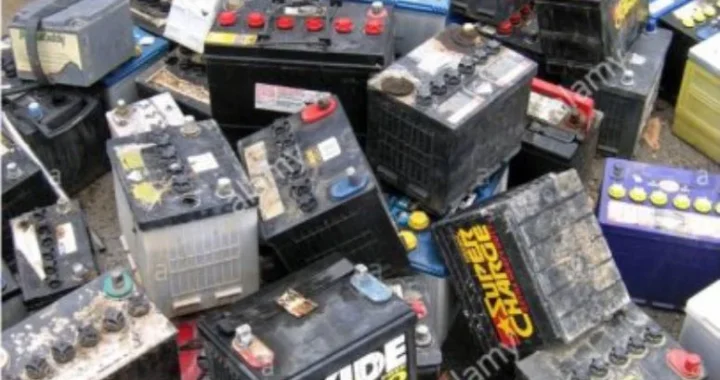 Scrap Batteries Recycling for Responsible Resource Recovery
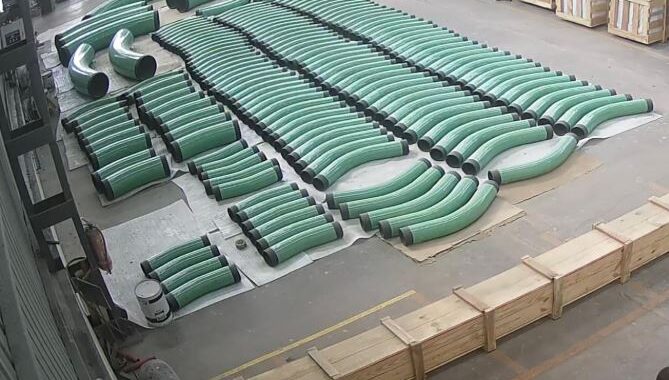 Fusion Bonded Epoxy Coating: Benefits, Applications, and Industrial Uses
 MacBook Keyboard Replacement Cost and Essential Repair Insights
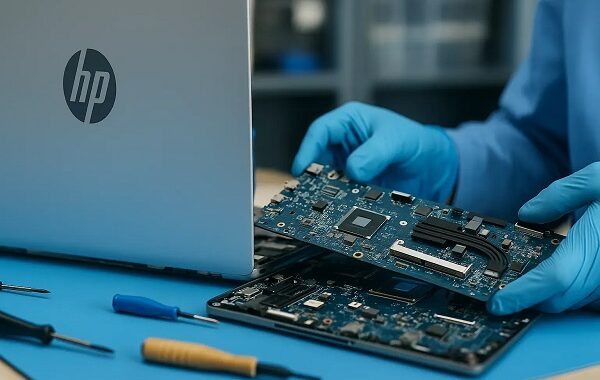 HP Service Center Greater Noida for Reliable Laptop Repair Solutions
 CSCS Card Application Online for Construction Career Advancement