Cascadeur Animation for Dynamic Character Motion and 3D Production
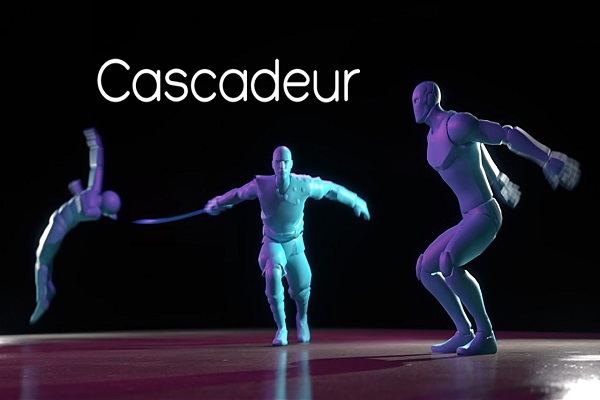
Character movement can define whether a digital scene feels convincing or mechanical. In modern 3D production, Cascadeur Animation offers artists a specialised way to shape character action with attention to balance, timing, and physical motion with intent. It can support work ranging from a short action sequence to a larger animated project. However, strong results still depend on artistic judgement, clear references, and a well-prepared character rig. MAVERICK SIMULATION SOLUTIONS LIMITED can help professionals understand simulation-focused workflows and consider how suitable tools fit their production goals, technical resources, and creative direction.
Understanding the Role of Motion in 3D Scenes
Animation communicates weight, intention, and emotion through movement. cascadeur animation gives this craft a dedicated workspace.
The software supports character animation and physics-informed workflows. Artists can examine body mechanics, adjust movement, and improve relationships between poses. Rather than replacing creative decisions, cascadeur animation helps artists assess motion.
Cascadeur Animation From Reference Footage to a Clear Performance
Good animation often begins before the first keyframe. cascadeur animation benefits from careful observation. Reference footage helps artists study how a person shifts weight, prepares for a jump, or absorbs an impact. Break the action into readable stages: anticipation, main movement, contact, and recovery.
When developing cascadeur animation, artists should identify the action’s purpose and the character’s physical limits. A powerful leap needs a different pose sequence from a cautious step. Clear references also help teams discuss timing and performance without relying on vague descriptions.
Balance, Weight, and Physical Believability
A convincing character needs a stable relationship between its centre of mass and its support. During a run, the body continually moves between moments of balance and controlled imbalance. During a landing, knees, hips, and torso respond to the impact.
Artists can use cascadeur animation to inspect such mechanics while shaping dynamic movement. They can refine body position, adjust timing, and review how one pose leads into the next. Still, simulated assistance does not guarantee a finished performance. Artists must judge whether the motion suits the character, camera angle, and mood of the scene.
Building an Efficient Character Workflow
A reliable workflow starts with a suitable rig. cascadeur animation depends on sound technical preparation. Check joint orientation, control behaviour, proportions, and deformation before beginning detailed animation. Poor rig preparation can create distracting results, even when the movement itself is carefully designed.
For cascadeur animation projects, teams should also agree on naming conventions, frame rates, file versions, and export settings. These standards reduce problems when work moves between applications. Save versions and test a short section before a long sequence. This can reveal compatibility issues early.
Refining Action Without Losing Artistic Intent
Action scenes often contain rapid changes in direction, contact, and momentum. cascadeur animation can help artists study these demanding transitions. A character may dodge an object, fall, recover, or interact with another performer. Each movement needs a clear purpose so the audience can follow the action.
With cascadeur animation, artists can explore variations in pose and timing before selecting the version that best serves the shot. A heavier character may need slower acceleration, while a light, agile figure may move with sharper transitions. The final choice should reflect personality and story rather than technical convenience alone.
Team Collaboration and Production Readiness
Animation rarely exists in isolation. Modellers, riggers, layout artists, animators, and technical directors may all contribute to a sequence. Shared review standards make feedback more useful. Instead of saying that a movement feels wrong, reviewers can identify a foot slide, unclear contact, weak anticipation, or inconsistent timing.
A cascadeur animation pipeline should include clear handoff rules. Teams need to know which files are approved, how revisions are recorded, and who checks exported motion. MAVERICK SIMULATION SOLUTIONS LIMITED can be part of discussions about simulation-oriented production requirements, helping organisations assess tools and technical needs in context.
Single Breast Trainer
A Single Breast Trainer belongs to a different category of specialised training equipment and is not an animation feature. Its inclusion in a broader simulation or training catalogue should be supported by accurate product information, intended-use details, and appropriate handling guidance. Keep product descriptions separate from digital animation material so visitors can understand each offering without confusing unrelated applications.
Choosing Tools for a Long-Term Pipeline
Before adopting any animation tool, assess project scale, artist experience, existing software, hardware capacity, and delivery requirements. Run a small test using a representative character and action. Review editing flexibility, export quality, learning resources, and how easily the tool fits the team’s current process.
For projects centred on dynamic character movement, cascadeur animation may be suitable, but every studio should evaluate its own needs. Compare the results against production standards, gather feedback from animators, and document any workflow changes. A measured evaluation is more useful than selecting software based only on a feature list across the pipeline.
Conclusion
Believable character movement comes from observation, technique, and repeated refinement. cascadeur animation can help artists investigate balance, body mechanics, timing, and dynamic poses while preserving the creative decisions that shape a performance. MAVERICK SIMULATION SOLUTIONS LIMITED can support conversations about simulation-focused tools and production requirements. With a prepared rig, useful references, consistent team standards, and careful review, studios can build a workflow that serves both the technical demands and storytelling aims of their 3D projects.
 Free URL Shortener for Cleaner Links and Easier Sharing
 URL Link Shortener: Complete Guide to Better Link Sharing Online
 Indian Press Releases for Stronger Brand Recognition and Media Exposure
 Seo Services in Delhi for Strong Digital Presence and Growth
 Reliable Register Digital Signature Certificate with Encryption
 Dog Food Subscription for Better Everyday Feeding and Canine Care
 Car Rental Company Chennai: A Complete Guide to Convenient Travel
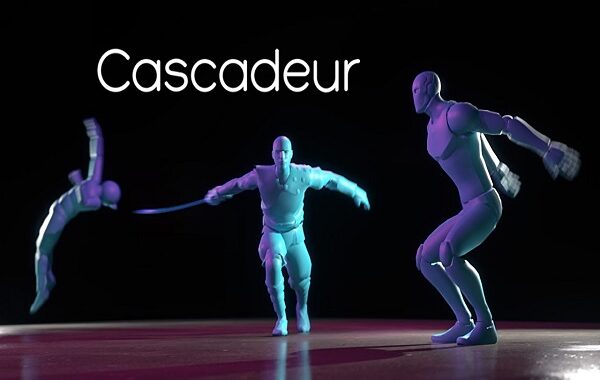 Cascadeur Animation for Dynamic Character Motion and 3D Production
 Bangalore University Transcript: Complete Guide to the Application Process