Industrial Agitators for Better Process Control and Plant Efficiency
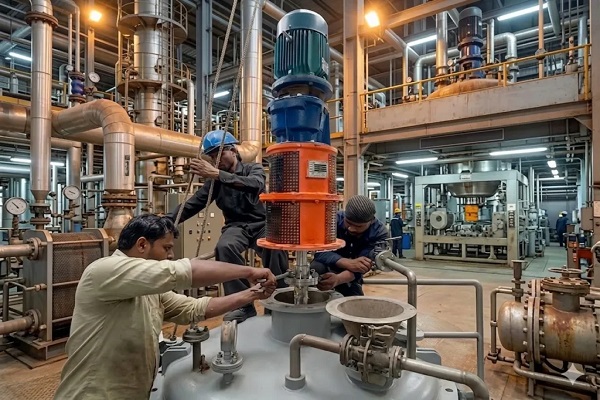
Industrial production depends on more than the movement of materials. Each batch must meet clear standards for consistency, quality, and output with Industrial Agitators. In many facilities, this equipment creates controlled movement inside tanks and vessels. Their design affects how liquids blend, how solids remain suspended, and how quickly ingredients reach a uniform state during production. A suitable mixing arrangement can also support heat transfer and chemical reactions. Therefore, equipment decisions should begin with the process itself, not simply the motor size or purchase price chosen by a buyer for the task.
Why Mixing Design Matters Across Industries
Manufacturers handle materials with different behaviours. Some liquids flow easily; others are thick or sticky. Processes may also combine powders, gases, and liquids. Industrial Agitators must create suitable circulation without wasting energy or damaging sensitive ingredients.
In chemical plants, mixing distributes additives and supports reactions. Paint makers need even dispersion, while food processors may require gentle movement. Water treatment facilities need chemicals spread throughout the tank. Since each goal differs, equipment selection must reflect the duty. Industrial Agitators should be specified around that duty.
How Industrial Agitators Create Controlled Movement
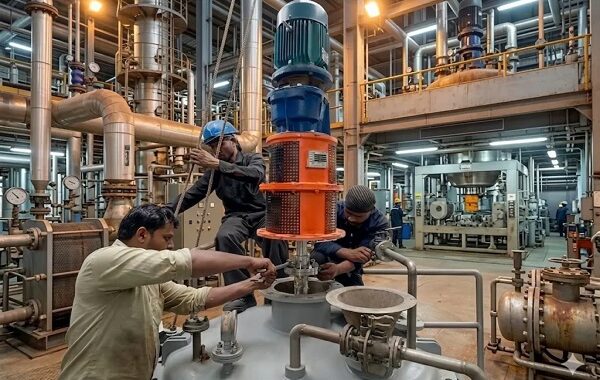
A drive system turns a shaft and impeller inside the vessel. The impeller transfers energy and creates flow in a chosen direction. Baffles can reduce swirling and improve circulation. This helps Industrial Agitators deliver predictable flow.
The right Industrial Agitators arrangement limits stagnant areas and supports repeatable results. This helps achieve similar results across repeated runs and supports an even process stream. However, higher speed does not always improve mixing. Excessive rotation can create foam, increase power demand, or stress equipment. Engineers consider blend time, material behaviour, and production targets before setting operating conditions.
Matching Impeller Geometry to Material Behaviour
Impeller choice directly affects performance. Propellers suit low-viscosity liquids needing circulation. Turbines provide stronger shear for gas dispersion or solid suspension. Paddle and anchor designs handle thicker products and move material near vessel walls.
A well-matched Industrial Agitators configuration considers viscosity, density, solids, and settling. The design should reflect how ingredients enter the vessel, since addition points affect local concentration. Tank dimensions, bottom shape, and internal coils also matter. Reviewing these details together helps deliver the intended mixing action without excess mechanical load.
Practical Factors Behind Equipment Selection
Record viscosity, density, corrosiveness, and abrasive content. Then define batch volume, pressure, temperature, and mixing time. These details establish power, torque, shaft length, and impeller dimensions for Industrial Agitators.
Review installation space and support strength as well. Check lifting access and confirm technicians can remove the shaft safely. This can reduce maintenance delays. A compact vessel may need a different arrangement from a large storage tank. Demanding duties may require mechanical seals, special shaft materials, or variable speed drives. Choose options for a clear process need. Industrial Agitators also need protection suited to the plant environment.
Operational Gains from a Suitable Mixing System
Consistent circulation reduces concentration differences and keeps solids distributed. It can also improve contact between materials that must react or exchange heat. The required result should be measured with suitable sampling methods. As a result, operators may see fewer rejected batches and less reprocessing. A correctly specified system reduces energy waste by delivering the required flow at a suitable speed. Properly selected Industrial Agitators support this balance.
Plan access for inspecting seals, bearings, couplings, and drives. Routine checks can reveal vibration, leaks, noise, or heat before a shutdown occurs. Premix Technologies considers application requirements when discussing process equipment and mixing arrangements.
Controls, Installation, and Everyday Reliability
Before commissioning, check foundation strength, shaft alignment, electrical connections, guards, and emergency stops. Confirm that the vessel is filled to the approved operating level before starting. Train operators in safe start-up and shutdown procedures. Never run a mixer outside its stated limits.
Record speed, motor load, batch time, and visible material changes. Compare these readings with process targets. If a problem appears, inspect the full system before changing speed. The vessel, impeller, drive, and material affect results. Industrial Agitators require coordinated design. Industrial Agitators perform best when these elements work together.
Related Chemical Dosing Requirements
Some plants need controlled chemical addition for water quality or process control. Dosing accuracy matters because too much or too little treatment chemical can affect downstream operations. A Ph Correction Injection Package Manufacturer can supply dosing systems with pumps, tanks, instruments, and control panels. Selection depends on flow demand, chemical properties, operating range, and safety. Process integration helps maintain target pH and consistent treatment.
Planning for Long-Term Performance
Review mixing systems when recipes, batch sizes, or raw materials change. Process checks show whether equipment still meets blend-time and quality targets. Review Industrial Agitators after major changes. If performance drops, inspect wear parts and operating data before replacing equipment. These checks provide a practical record for future process reviews and equipment planning decisions.
Conclusion
When selected around the process, Industrial Agitators contribute to product consistency, process control, and efficient plant operation. Material properties, vessel geometry, impeller selection, drive capacity, and maintenance access all deserve careful review. Premix Technologies can be part of that evaluation by keeping the discussion focused on operating requirements. With sound engineering decisions and routine inspections, manufacturers can build a mixing process that remains productive as their needs evolve.
 Manual Stacker: A Reliable Asset for Efficient Warehouse Operations
 Outdoor Parking Tiles in Morbi for Strong and Stylish Spaces
 Ss 2 in 1 Pulverizer Machine for Efficient Food Grinding Operations
 Makhana Powder Exporter Standards for Quality, Traceability and Global Trade
 Idli Dosa Batter Filling Machine for Accurate, Hygienic Packaging
 Best PPF in Scarborough: Professional Paint Protection for Your Vehicle
 Industrial Agitators for Better Process Control and Plant Efficiency
 Hospitality Management Software That Brings Every Hotel Operation Together
 Emerald Three-Stone Rings Bring Meaning, Beauty, and Lasting Style
 Custom Web Development Services That Shape a Stronger Digital Presence