Manual Stacker: A Reliable Asset for Efficient Warehouse Operations
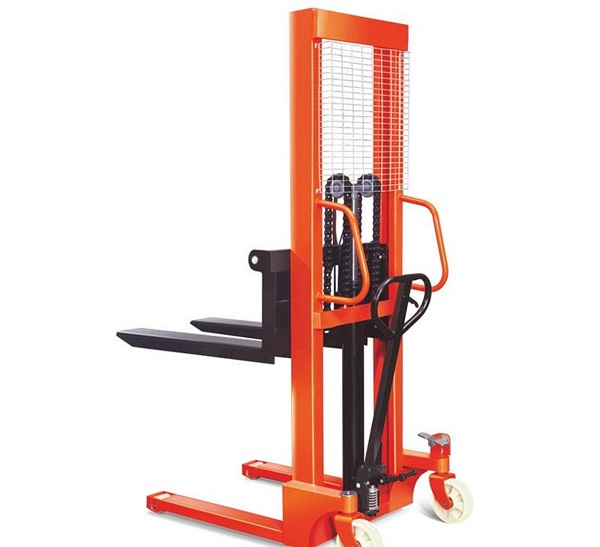
Warehouses, workshops, and production units often move goods between floor level and storage positions. When loads need controlled lifting without a powered vehicle, a manual stacker offers a straightforward option. It combines a frame, forks, wheels, and a hand-operated hydraulic system to raise suitable loads. It can support material flow where space or operating needs do not justify larger machinery. Chandigarh Engineering Corp serves businesses seeking practical handling equipment. The approach also helps teams manage routine transfers without reserving valuable floor space for larger vehicles or changing the layout of an established work area.
How a Manual Stacker Supports Daily Work
Its main purpose is to lift and transport compatible palletised materials over short distances. An operator positions the forks beneath a load and uses the hydraulic control to raise it. The stacker can then be guided to the required location, reducing repeated manual lifting and helping staff place goods on suitable racks.
Unlike a forklift, this model relies on human effort. It suits moderate workloads and short routes, but cannot replace powered equipment for very heavy loads, continuous movement, or substantial lift heights. A manual stacker helps position pallets without requiring a powered truck.
Choosing a Manual Stacker for Your Facility
Identify the heaviest load staff will handle. Rated capacity, load centre, and pallet dimensions must match the specifications. A unit may be unsuitable if its forks cannot enter the pallet openings or support the load width.
Measure aisles, doorways, turning areas, and storage bays. Check overall width, turning radius, fork length, lowered fork height, and maximum lift height to confirm the equipment can reach its intended position. Check whether a manual stacker fits the pallet openings used onsite.
Check floor conditions too. Smooth, level surfaces support easier movement, while ramps and uneven thresholds can affect stability. Match wheel materials to the floor, and compare handle design, steering effort, brakes, and mast visibility.
Manual Stacker Design and Important Components
Its main components work together: the mast guides the carriage, forks carry the pallet, and a hydraulic pump creates lifting force from the operator’s action. A release control lowers the forks, while wheels and the frame support movement and load. The manual stacker must remain stable throughout lifting, travel, and lowering.
Inspect welds, fasteners, hoses, seals, and forks. Look for leaks, unusual noises, bent parts, or stiff wheels. Report defects before reuse, and never improvise repairs on load-bearing parts.
Where a Manual Stacker Adds Value
Small warehouses can transfer cartons and palletised stock between receiving, storage, and dispatch areas. Workshops may position materials near benches, while retail backrooms can arrange incoming stock without needing forklift space. A manual stacker can simplify occasional stock repositioning.
Manufacturers may move raw materials, finished products, or tooling with this equipment. Assess load shape and centre of gravity first. Long, loose, unstable, or uneven loads may require another machine or attachment. Follow the manufacturer’s permitted uses.
Operating Practices That Protect People and Goods
Before each shift, inspect forks, wheels, controls, mast, and hydraulics. Confirm the load is within capacity and stable. Keep limbs clear of moving parts, check the route, and train operators on the model and site procedures.
Lift only as high as needed. Keep the load low while travelling, move steadily, and avoid sharp turns. Keep people clear of raised forks and use supplied restraints when parking, where applicable.
Never exceed capacity or lift people. Avoid slopes unless the manufacturer permits them. If visibility is poor, clear the route or use a trained spotter. These habits help prevent dropped goods, collisions, and injuries. Train every operator before assigning a manual stacker to routine duties.
Manual Stacker Maintenance for Consistent Performance
A maintenance schedule can reveal wear early. Clean the frame and forks, remove wheel debris, and check control movement. Follow manufacturer guidance for fluid checks, lubrication, and servicing. Record inspections and repairs. Each manual stacker requires checks suited to its model.
Watch the hydraulic system. Slow lifting, unexpected lowering, or leaks require attention. Stop using the unit and arrange qualified inspection. Store it on stable ground with forks lowered, away from traffic and corrosive materials. A manual stacker works best on suitable level floors.
Understanding Batteries and Related Handling Needs
Some workplaces store or move Lead Acid Batteries during equipment servicing or industrial operations. Their weight, dimensions, terminals, and chemical contents require suitable procedures. Use a compatible arrangement that prevents tipping or impact. Follow site rules for protective equipment, ventilation, spill response, and storage. Confirm load rating, attachment compatibility, and manufacturer instructions before using a stacker for this task.
Why Equipment Selection Matters
Selection should begin with a task assessment. Consider load weight, pallet type, lift height, travel distance, aisle width, floor quality, and daily usage. Compare specifications, service support, spare parts, and training needs. A low price is poor value if the machine does not suit the work. Compare each manual stacker against the work cycle. A manual stacker should match the planned duty.
Chandigarh Engineering Corp can assist organisations reviewing material handling options. Explain the application and operating conditions when discussing a model. This helps determine whether a manual stacker suits the site or another lifting solution is preferable. Store the manual stacker where it cannot obstruct walkways or exits.
Conclusion
Efficient handling means matching equipment to the load, workplace, and operator. A manual stacker supports controlled lifting and short-distance movement when its capacity, dimensions, and limits suit the task. Inspections, training, and maintenance remain essential. By reviewing working conditions and specifications with Chandigarh Engineering Corp, businesses can support orderly operations and safer lifting.
 Outdoor Parking Tiles in Morbi for Strong and Stylish Spaces
 Ss 2 in 1 Pulverizer Machine for Efficient Food Grinding Operations
 Makhana Powder Exporter Standards for Quality, Traceability and Global Trade
 Idli Dosa Batter Filling Machine for Accurate, Hygienic Packaging
 Best PPF in Scarborough: Professional Paint Protection for Your Vehicle
 PVC Pan Card Printing for Professional Card Quality and Durability
 Hotel in Durgapura Jaipur for a Comfortable and Well-Planned Stay
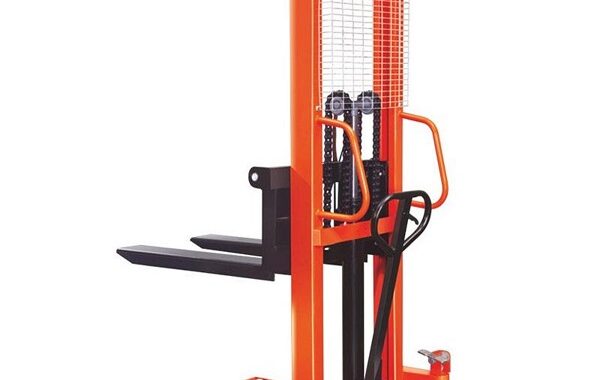 Manual Stacker: A Reliable Asset for Efficient Warehouse Operations
 Payroll Management Services in Mumbai for Accurate and Timely Payroll