Ball Valve Gearbox: Reliable Operation for Industrial Valve Systems
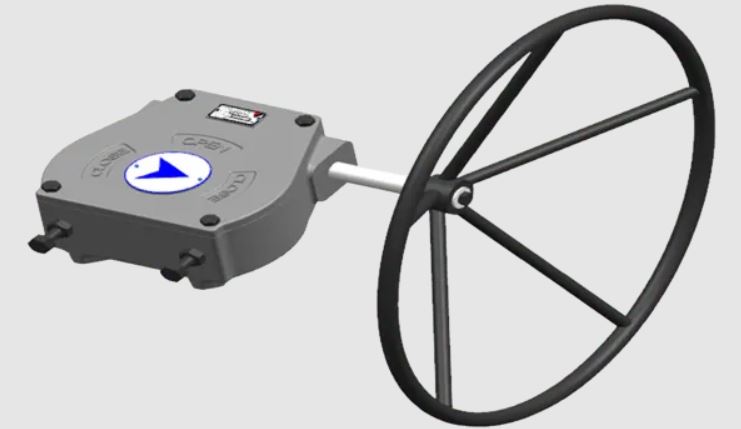
Industrial flow control systems require reliable valves to regulate the movement of liquids, gases, and other process materials. Ball valves are widely used because of their simple design, quick operation, and dependable shut-off performance. However, operating larger or high-torque valves manually can require considerable effort. A suitable gearbox makes this operation easier and more controlled.
A Ball Valve Gearbox is a mechanical device that transfers torque from an operating handle or actuator to a valve stem. It helps operators open and close valves with greater control while reducing the effort required. Jayveer Enterprise is associated with industrial gearbox solutions for applications where reliable mechanical operation is important.
What Is a Ball Valve Gearbox?
A ball valve gearbox is a mechanical transmission unit designed to operate a ball valve. It uses internal gears to increase torque and reduce the operating effort needed to turn the valve.
The gearbox is generally mounted between the valve and its operating mechanism. When an operator turns the handwheel, the internal gear arrangement transfers motion to the valve stem. This rotates the ball inside the valve body, allowing or restricting the flow of media.
These gearboxes are particularly useful for large valves, high-pressure systems, and installations where direct manual operation is difficult.
Key Benefits of Ball Valve Gearbox
1. Reduced Operating Effort
Operating large valves manually can be challenging. A gearbox increases the available output torque, helping operators control valve movement with less physical effort.
2. Smooth Valve Operation
A suitable gear mechanism provides controlled movement during opening and closing. This supports consistent operation and helps operators manage the valve more effectively.
3. Improved Torque Transmission
The gearbox transfers the input force to the valve stem through its gear arrangement. Correct torque selection helps ensure that the valve receives the required operating force.
4. Better Operational Control
Gearboxes can provide controlled movement, especially when operating larger valves. This makes them useful in industrial systems that require dependable flow regulation and isolation.
5. Suitable for Industrial Environments
Depending on the design, materials, sealing, and protection rating, gearboxes can be selected for different industrial operating conditions.
Applications of Ball Valve Gearbox
Ball valve gearboxes are used across industries where reliable valve operation is essential.
Oil and Gas Industry
Oil and gas facilities use ball valves in pipelines, storage systems, and processing units. Gearboxes help operators manage larger valves where higher operating torque is required.
Water Treatment Plants
Water treatment facilities use valves to control water distribution and treatment processes. Gearboxes can make the operation of large isolation valves easier.
Chemical Processing Industry
Chemical plants require reliable flow control for different process fluids. A properly selected gearbox supports controlled valve operation in suitable applications.
Power Generation Plants
Power plants use industrial valves in cooling, fuel, and utility systems. Gearboxes help operate valves where manual operation may require additional torque.
Manufacturing Facilities
Manufacturing units use ball valves in compressed air, fluid handling, and other industrial systems. Gearbox-operated valves can support convenient operation and maintenance.
Important Features to Consider When Selecting a Ball Valve Gearbox
Choosing the right gearbox is important for valve performance and operational safety. Consider these factors before purchasing.
Torque Requirements
Check the operating torque required by the valve. The gearbox should provide sufficient output torque without exceeding the valve’s allowable limits.
Gear Ratio
The gear ratio determines the relationship between input movement and output movement. A suitable ratio helps balance operating effort and valve travel time.
Material and Construction
The gearbox housing and internal components should be suitable for the working environment. Material selection can influence strength, durability, and resistance to environmental exposure.
Mounting Compatibility
Check the mounting arrangement, output connection, and valve stem dimensions. Proper compatibility helps ensure secure installation and reliable torque transfer.
Environmental Protection
Industrial environments may involve dust, moisture, chemicals, or temperature variations. Select a gearbox with suitable sealing and protection for the intended location.
Maintenance Requirements
Review lubrication needs, inspection intervals, and the availability of replacement parts. Regular maintenance helps maintain reliable operation.
How to Maintain a Ball Valve Gearbox
Proper maintenance can help extend gearbox service life and reduce unexpected operating problems.
- Inspect the gearbox housing for cracks, corrosion, or visible damage.
- Check mounting bolts and connections periodically.
- Follow the manufacturer’s lubrication recommendations.
- Observe unusual noise, vibration, or resistance during operation.
- Check the valve and gearbox alignment.
- Arrange inspections according to operating conditions and maintenance schedules.
Avoid forcing a gearbox when the valve becomes difficult to operate. The problem may involve valve obstruction, incorrect torque selection, or internal mechanical wear.
Why Choose Jayveer Enterprise?
Selecting industrial gearbox equipment requires attention to operating torque, construction quality, mounting compatibility, and application requirements. Jayveer Enterprise is a brand associated with industrial gearbox solutions for different mechanical and valve operation needs.
Businesses evaluating Jayveer Enterprise should share their valve size, operating torque, mounting specifications, and working environment before selecting a suitable gearbox. This helps identify equipment that matches the requirements of the intended installation.
Frequently Asked Questions
1. What is the purpose of a ball valve gearbox?
It increases the torque available for operating a ball valve and helps reduce the manual effort required to open or close it.
2. Where are ball valve gearboxes commonly used?
They are used in oil and gas facilities, water treatment plants, chemical industries, power generation units, and manufacturing facilities.
3. How do I select the correct gearbox size?
Consider the valve’s operating torque, gear ratio, mounting arrangement, operating conditions, and manufacturer recommendations.
4. Does a ball valve gearbox require maintenance?
Yes. Periodic inspection, proper lubrication, and checking mounting connections help maintain reliable operation.
Conclusion
Ball valves play an important role in industrial flow control systems, while gearboxes make operating larger valves easier and more controlled. Selecting the correct gearbox requires careful consideration of torque requirements, gear ratio, construction, mounting compatibility, and environmental conditions.
A suitable Ball Valve Gearbox can support smooth valve operation and dependable torque transmission across industrial applications. Jayveer Enterprise is associated with industrial gearbox solutions, and businesses should review their technical requirements before choosing equipment for a specific valve system.
 Cosmetic Fragrance Manufacturer: Creating Quality Fragrances for Beauty Products
 Cosmetic Fragrance Exporter in India: Quality Fragrance Solutions for Global Markets
 Fusion Bonded Epoxy Coating: Benefits, Applications, and Industrial Uses
 Scrap Batteries Recycling for Responsible Resource Recovery
 Male Infertility Doctor in Chennai: Expert Guidance for Male Fertility Care
 Best Fertility Centre in Salem: Your Guide to Fertility Care and Treatment