Scrap Batteries Recycling for Responsible Resource Recovery
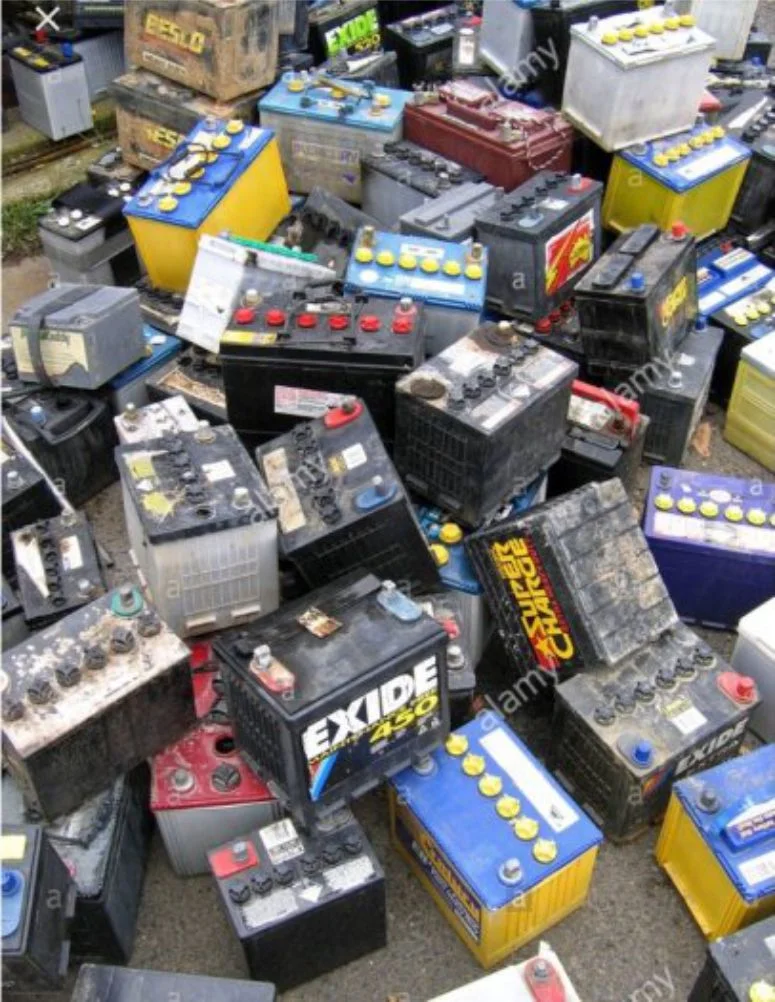
Managing used power cells responsibly is an important part of environmental care and resource recovery today. Businesses and workshops can generate scrap batteries through equipment replacement, maintenance, or end-of-life usage. Through organized recycling, these materials can enter suitable recovery processes instead of being discarded carelessly. Chandigarh Engineering Corp supports responsible battery collection and recycling requirements by helping customers understand practical disposal options effectively. Proper handling can support resource conservation, safer storage, and cleaner workplaces. Therefore, choosing a suitable recycling partner becomes an important step for organizations dealing with used battery materials.
Understanding Scrap Batteries for Responsible Recycling
Used batteries may contain valuable materials that can be recovered through appropriate recycling processes. Lead, plastic, and other components can potentially return to industrial supply chains after suitable treatment. However, batteries should not be treated like ordinary household waste. Businesses handling scrap batteries need organized collection, secure storage, and responsible transportation practices. A professional recycler can help make this process more structured and efficient for better planning and smoother operations overall.
Why Responsible Battery Recycling Matters
Improper disposal can create environmental concerns because battery components require controlled handling. Recycling provides a practical route for recovering useful materials while reducing unnecessary waste. It supports a circular approach in which resources can be processed and reused. For companies generating scrap batteries regularly, a dependable recycling arrangement can make waste management easier and more consistent.
Common Sources of Used Batteries
Businesses may accumulate batteries for different reasons. Automotive workshops replace batteries during vehicle servicing, while industrial facilities may manage batteries from backup systems or equipment. Warehouses, retailers, and service centers can also accumulate old stock or damaged units. The source helps businesses organize collection. In each situation, scrap batteries should be separated from general waste and kept in an appropriate area until collection.
Safe Storage and Handling Practices
Storage deserves careful attention before recycling begins. Used batteries should be kept in a designated location away from unnecessary heat, moisture, and physical damage. Containers and handling arrangements should suit the battery type and condition. Staff should also follow workplace safety procedures and avoid careless handling. These steps make scrap batteries easier to manage while reducing workplace risks.
Scrap Batteries and Resource Recovery
Recycling is valuable because battery materials can have continued industrial usefulness. Suitable processing can separate recoverable components and reduce the amount of material sent to disposal sites. This approach supports resource efficiency and can lower dependence on newly extracted materials. Companies that regularly generate scrap batteries can contribute to more responsible resource use by choosing established recycling channels.
Automotive Batteries
Automotive Batteries are widely used in cars, trucks, commercial vehicles, and other transportation applications. When their service life ends, they require appropriate collection and recycling rather than casual disposal. Workshops and fleet operators can benefit from organized pickup arrangements. Proper separation also makes it easier to manage automotive units alongside other recyclable battery materials.
Choosing a Reliable Recycling Partner
Selecting a recycling partner requires attention to experience, collection practices, processing capabilities, and service reliability. Businesses should understand how materials are accepted, stored, transported, and processed. Chandigarh Engineering Corp provides a structured approach for organizations seeking support with scrap batteries and related recycling needs. A suitable partner can also help customers understand segregation and responsible movement of used battery materials.
Business Benefits of Organized Recycling
A planned recycling system can simplify business waste management. Regular collection reduces storage needs. Companies dealing with scrap batteries can create internal procedures for identification, segregation, storage, and collection. This approach makes recycling easier to integrate into operations.
Supporting Sustainable Industrial Practices
Sustainability involves practical actions across everyday business operations. Battery recycling is one area where companies can reduce waste and encourage material recovery. By sending scrap batteries through appropriate recycling channels, organizations can support responsible resource management. Recycling programs can complement broader environmental goals involving metals, plastics, and other recoverable materials.
Why Chandigarh Engineering Corp Matters
Chandigarh Engineering Corp works with customers who require dependable solutions for battery-related recycling and material recovery. The company focuses on practical service and organized handling. For businesses managing scrap batteries, choosing an experienced organization can simplify collection planning and improve consistency. The right partner can also help customers understand the importance of segregation and responsible movement of used battery materials.
Building an Efficient Collection Process
An efficient collection process begins with clear responsibilities. Employees should know where used batteries must be placed and separated. Storage areas should remain organized and protected from avoidable hazards. Collection schedules can then be planned according to generation volume. With consistent procedures, scrap batteries can move from storage to recycling without unnecessary delays.
Long-Term Value of Battery Recycling
Responsible recycling offers value beyond immediate waste removal. It encourages recovery of useful materials, supports cleaner operations, and promotes better resource efficiency. Businesses can strengthen environmental practices by documenting recycling activities. Records help businesses track scrap batteries and maintain consistent recycling practices across locations effectively. When scrap batteries are handled systematically, organizations can create a more dependable waste management cycle.
Conclusion
Responsible battery disposal is an important part of modern waste management. Organizations that generate scrap batteries should use appropriate collection, storage, transportation, and recycling practices rather than treating them as ordinary waste. Chandigarh Engineering Corp can support businesses seeking organized solutions for battery recycling and material recovery. By separating used batteries, planning collections, and working with a suitable recycling partner, companies can improve operational organization while supporting resource conservation. A consistent approach to scrap batteries can contribute to safer workplaces, cleaner practices, and a more sustainable industrial cycle.
 Scrap Batteries Recycling for Responsible Resource Recovery
  Porcelain Tile Slabs Supplier in Morbi for Modern Surface Design
  Leave and Licence Agreement in Mumbai for Secure Property Renting
  CMA Inter Law Classes in India for Focused Exam Success and Growth