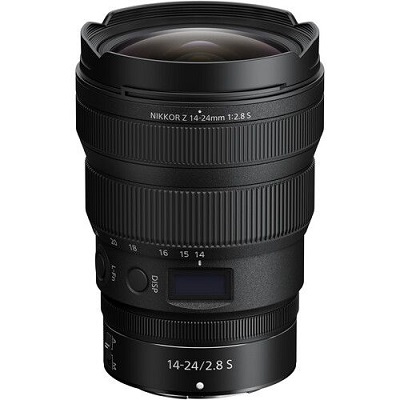
Photography depends greatly on the quality of lenses used with a camera. While cameras capture the scene, lenses determine how much detail, color, and clarity appear in the final image. Many photographers around the world trust products from Sigma Corporation because of their precision engineering and advanced optical design. Choosing the right Sigma Lens can transform ordinary photos into professional-quality images that stand out.
Professional photographers and beginners often search for lenses that deliver both performance and value. Reliable platforms like DxDeals by Netwiz Trading LLC help photographers access genuine camera gear and explore multiple lens options suitable for different photography styles. When selecting photography equipment, understanding how different lenses work can make a big difference in overall results.
Sigma Lens Types Used in Different Photography Styles
Different types of lenses serve different creative purposes. A good understanding of these categories allows photographers to select the right option based on their needs.
Prime lenses are known for excellent sharpness and wide apertures. These lenses have fixed focal lengths, which means photographers must physically move closer or farther from the subject to adjust framing. In professional setups, many photographers prefer using a Sigma Lens from the prime category because it produces stunning background blur and exceptional image detail.
Zoom lenses provide flexibility for photographers who want to adjust focal length quickly. Travel photographers and event photographers often prefer zoom lenses because they allow smooth transitions between wide shots and close-up images without switching equipment.
Wide-angle lenses are commonly used for landscape and architecture photography. These lenses capture a broader field of view, allowing photographers to include more of the environment within a single frame. During outdoor photography sessions, a Sigma Lens designed for wide-angle shooting helps create dramatic compositions with impressive depth.
Telephoto lenses are designed for subjects located at a distance. Wildlife photographers, sports photographers, and nature enthusiasts frequently rely on telephoto lenses to capture subjects without disturbing them.
Sigma Lens Features That Improve Photography Performance
Modern camera lenses include various technologies that enhance image quality and usability. Photographers often pay attention to certain features when selecting the right equipment.
Optical design plays a major role in determining lens quality. Advanced glass elements help reduce distortion and maintain sharpness across the frame. During professional photo shoots, a Sigma Lens built with precision optics ensures accurate color reproduction and fine detail.
Autofocus systems also contribute to performance. Fast and accurate focusing allows photographers to capture moving subjects easily. Many lenses include quiet focusing motors, which are helpful for both photography and video recording.
Image stabilization is another important feature. This technology reduces blur caused by camera shake when shooting handheld. In many real-world situations, a Sigma Lens with stabilization technology helps photographers achieve clear images even at slower shutter speeds.
Lens coatings are designed to reduce glare and reflections. These coatings improve contrast and color accuracy, especially when shooting in bright lighting conditions.
Sigma Lens for Portrait Photography
Portrait photography focuses on capturing expressions and emotions with beautiful detail. The right lens can enhance the subject while creating a soft and pleasing background.
Many portrait photographers prefer lenses with focal lengths between 50mm and 85mm. These ranges produce natural perspective and flattering facial proportions. During professional studio sessions, photographers often rely on a Sigma Lens with a wide aperture because it creates a soft background blur known as bokeh.
Wide apertures also allow more light to enter the lens. This feature helps photographers capture well-lit images even in low-light environments. Smooth focus transitions and accurate skin tone reproduction also contribute to high-quality portrait images.
Sigma Lens for Landscape Photography
Landscape photography requires lenses capable of capturing large scenes with impressive detail. Wide-angle lenses are commonly used because they include more of the environment within the frame.
Sharpness across the entire image is very important in landscape photography. Mountains, forests, oceans, and city skylines often require edge-to-edge clarity. During outdoor photography adventures, a Sigma Lens designed for landscape shooting helps maintain image quality across the frame.
Durability also plays an important role. Landscape photographers frequently shoot in challenging environments, including windy deserts or humid coastal areas. Lenses built with strong materials perform reliably even in difficult weather conditions.
Another benefit of wide lenses is the ability to emphasize foreground elements while keeping the background sharp.
Sigma Lens for Wildlife and Sports Photography
Capturing fast-moving subjects requires specialized lenses. Wildlife and sports photography often demand long focal lengths and quick autofocus performance.
Telephoto lenses allow photographers to photograph animals, birds, or athletes from a safe distance. These lenses provide magnification while maintaining image quality.
During action photography, a Sigma Lens equipped with fast autofocus systems helps photographers track moving subjects effectively. This feature is essential when photographing sports events, racing competitions, or wildlife in motion.
Large apertures also assist in maintaining faster shutter speeds. Faster shutter speeds help freeze motion and prevent blur when subjects move quickly.
Image stabilization technology also helps photographers capture sharp images while using long focal lengths.
Sigma Lens Buying Tips for Beginners
Choosing a camera lens can be confusing for beginners. However, a few practical tips can simplify the decision-making process.
First, photographers should consider their primary photography style. Someone interested in portraits may prefer prime lenses, while travel photographers might benefit more from zoom lenses.
Budget planning is another important step. Professional lenses may be expensive, but many entry-level models still deliver excellent performance. In the middle of equipment research, photographers exploring Sigma Lens options can find reliable choices available through DxDeals by Netwiz Trading LLC.
Compatibility should also be checked before purchasing a lens. Photographers must ensure that the lens mount matches their camera body.
Weight and portability matter as well. Some telephoto lenses are large and heavy, which may not be ideal for travel photography.
Sigma Lens Maintenance and Care Tips
Taking proper care of photography equipment helps maintain performance for many years. Lenses should always be stored in protective cases when not in use.
Regular cleaning helps maintain image clarity. Dust or fingerprints on the glass surface can reduce photo quality. Photographers should use microfiber cloths and specialized cleaning solutions for safe maintenance.
Humidity control also helps protect sensitive optical components. Moisture can damage internal lens elements if equipment is stored improperly. In professional camera collections, a Sigma Lens maintained carefully can continue delivering reliable performance for years.
Handling lenses carefully during installation and removal also helps prevent damage to lens mounts.
Conclusion
Photography is both a technical skill and a creative art form. While cameras capture the image, lenses shape the final visual result. High-quality optics provide better sharpness, improved color accuracy, and greater creative control for photographers.
Professionals and hobbyists alike depend on reliable equipment to achieve outstanding results. Whether capturing portraits, landscapes, wildlife, or sports, a well-designed Sigma Lens helps photographers achieve exceptional image quality.