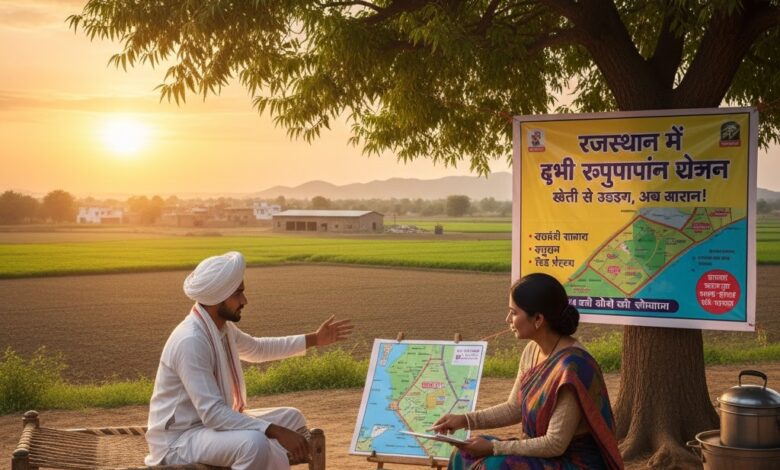
Owning land in Rajasthan is a valuable asset, but its potential is often limited by its designated use. For individuals and businesses aiming to develop residential, commercial, or industrial projects, Conversion of Land in Rajasthan is a crucial step. This legal process allows agricultural land to be repurposed for non-agricultural uses under government regulations.
Subsidy Mantra presents a complete guide to understanding land conversion in Rajasthan, including eligibility, procedure, required documents, and key considerations. Whether you are a farmer, entrepreneur, or investor, this guide ensures you navigate the process efficiently and legally.
What is Land Conversion in Rajasthan?
Land conversion, also known as change of land use (CLU), is the process of altering the official designation of land from agricultural to non-agricultural purposes. In Rajasthan, the government strictly regulates this process to ensure sustainable development and proper planning.
By completing the Conversion of Land in Rajasthan, landowners can use their property for:
- Residential construction
- Commercial ventures
- Industrial projects
- Institutional or government purposes
The process is mandatory, and using agricultural land without approval can lead to penalties or legal disputes.
Importance of Land Conversion
Converting land legally in Rajasthan has multiple benefits:
- Legal Protection: Ensures that your land use complies with state laws.
- Enhanced Property Value: Converted land often has higher market value.
- Development Opportunities: Enables construction of houses, shops, factories, or warehouses.
- Government Compliance: Avoids fines or confiscation for illegal land use.
- Investment Security: Investors prefer legally converted land for large-scale projects.
By opting for legal conversion, landowners can maximize both utility and profitability while adhering to regulations.
Eligibility Criteria for Land Conversion
Before applying for Conversion of Land in Rajasthan, landowners must meet certain criteria:
- The land should be registered under your name with proper ownership documents.
- The land must not be part of a restricted zone or protected area.
- Agricultural land proposed for conversion should have been used for farming or fallow land, not encroached property.
- Compliance with local master plans, zoning regulations, and development authority rules is required.
- Any pending dues or disputes on the land should be resolved beforehand.
Meeting eligibility ensures faster approval and avoids unnecessary complications.
Types of Land Conversion in Rajasthan
The Rajasthan government provides multiple options depending on the intended use of land:
- Residential Land Conversion: For constructing houses, apartments, or residential complexes.
- Commercial Land Conversion: For shops, malls, offices, or markets.
- Industrial Land Conversion: For factories, warehouses, or manufacturing units.
- Institutional Land Conversion: For schools, hospitals, or government projects.
Choosing the right category is essential, as each type has specific fees, regulations, and approval procedures.
Step-by-Step Process for Land Conversion in Rajasthan
Following a structured procedure simplifies the Conversion of Land in Rajasthan. Here’s a step-by-step guide:
1. Verify Land Eligibility
Confirm ownership and ensure the property complies with zoning and development rules. Check master plans and land-use maps for the area.
2. Prepare Required Documents
The application requires multiple documents, including:
- Land ownership proof (Patta, Sale Deed, or Registry)
- Encumbrance certificate
- Land survey and map
- No Objection Certificate (NOC) from the local authority
- Land tax receipts
3. Submit Application
Applications are usually submitted online or at local planning authority offices. Fill out the form carefully, attach supporting documents, and pay the prescribed fee.
4. Site Inspection
Authorities may conduct a field inspection to verify land details, boundaries, and intended purpose.
5. Approval and Payment of Conversion Fee
Once approved, the applicant pays the conversion fee, calculated based on land area and intended use. The fee varies for residential, commercial, and industrial projects.
6. Land Registration Update
After payment, the land records are updated to reflect the new land use. This step legally authorizes non-agricultural activities on the property.
By following these steps precisely, landowners ensure a smooth and legal conversion process.
Important Considerations During Land Conversion
- Check Zoning Laws: Ensure your proposed use complies with local municipal or development authority rules.
- Calculate Costs: Conversion fees may vary from 10% to 50% of land value depending on the purpose. Budget accordingly.
- Professional Assistance: Hiring experts or consulting agencies like Subsidy Mantra can streamline the application process.
- Future Expansion: Plan for long-term development to avoid repeated conversions or legal issues.
- Avoid Illegal Practices: Do not use agricultural land for non-agricultural purposes without government approval.
Being aware of these factors reduces delays and ensures compliance with state laws.
Benefits of Consulting Subsidy Mantra
Navigating the Conversion of Land in Rajasthan can be complex without proper guidance. Subsidy Mantra provides professional support to help landowners:
- Assess eligibility for conversion
- Prepare accurate documentation
- Liaise with government authorities
- Ensure timely approval and fee payment
- Optimize legal compliance for long-term benefits
With expert guidance, landowners can save time, avoid legal hassles, and complete the process efficiently.
Common Challenges and How to Overcome Them
Some common challenges during land conversion include:
- Document Discrepancies: Missing or incorrect papers can delay approval. Solution: Verify all documents before submission.
- High Conversion Fees: Fees may be substantial depending on land size and purpose. Solution: Plan finances and check for possible government concessions.
- Regulatory Delays: Administrative procedures can take time. Solution: Track application status and maintain communication with authorities.
- Land Disputes: Conflicts or encumbrances may prevent conversion. Solution: Resolve disputes legally before applying.
Proper preparation and guidance from Subsidy Mantra can mitigate these challenges effectively.
Conclusion
The Conversion of Land in Rajasthan is an essential process for anyone looking to repurpose agricultural land for residential, commercial, or industrial use. Legal conversion enhances property value, ensures compliance with government regulations, and opens new avenues for development.
By understanding the eligibility, process, fees, and regulatory requirements, landowners can undertake conversion confidently. Partnering with experts like Subsidy Mantra simplifies the process, minimizes errors, and ensures smooth approval.
Whether for personal projects or commercial ventures, obtaining legal approval for land conversion is a smart investment that guarantees security, legality, and long-term benefits.