Festival Flags That Give Every Celebration a Distinct Identity
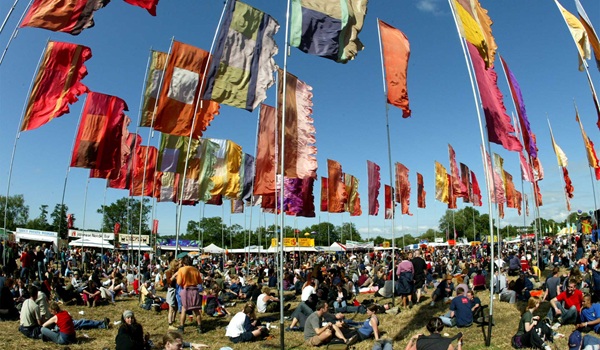
Festivals bring people together through traditions, music, food, art, and shared memories. Colourful decorations help create the atmosphere before the first activity begins. Among these details, Festival Flags offer a simple way to make streets, entrances, stages, and open spaces feel connected to the occasion. Their movement adds energy, while their colours help communicate a celebration’s theme. At Jhandewala, thoughtful flag choices can support attractive displays for religious gatherings, cultural programmes, school functions, and seasonal fairs. The right arrangement turns ordinary surroundings into a welcoming setting without making decoration unnecessarily complicated.
Colourful Displays That Set the Scene
People often notice decorations before they reach the main event area. Therefore, Festival Flags can establish the mood from a distance and guide visitors towards important locations. Bright shades may create a lively atmosphere, while coordinated colours can give a formal gathering a more organised appearance.
Placement matters as much as colour. Flags along a pathway can create a visual route, whereas a cluster near an entrance can make the arrival point easier to recognise. For larger grounds, organisers can repeat a selected colour scheme across several sections. This approach creates continuity without covering every available surface.
Festival Flags Reflect Local Traditions
Every community celebrates in its own way. Some occasions focus on devotion, while others highlight harvests, regional heritage, national pride, or artistic expression. Decorations should respect the meaning behind each event instead of relying only on fashionable colours.
Festival Flags can incorporate traditional shades, familiar patterns, or symbols appropriate to the occasion. Organisers should check cultural requirements before selecting designs, especially for religious functions. Clear choices help decorations feel relevant rather than random. When the display reflects the event’s purpose, visitors can recognise its identity and appreciate the care behind the arrangement.
Select Materials for the Setting
An attractive design also needs suitable material. Indoor halls, covered stages, open grounds, and roadside installations face different conditions. Lightweight fabric may work well in sheltered spaces, while outdoor displays need materials that can handle expected wind and occasional moisture.
Before ordering Festival Flags, consider the mounting method, exposure to sunlight, and expected duration of use. Reinforced edges and secure attachments may improve durability during busy events. However, no material should be assumed suitable for every weather condition. Organisers should follow product guidance and remove displays when conditions become unsafe.
Give Every Area a Visual Purpose
A well-planned decoration scheme does more than fill empty space. It helps people understand how an event is organised. For example, a community fair might use one coordinated design near the entrance, another around performance areas, and smaller displays beside activity zones.
Festival Flags can support this layout when organisers maintain consistent colours and sensible spacing. Avoid placing too many designs close together because crowded arrangements can make individual elements difficult to notice. Leave clear views of signs, emergency exits, walkways, and accessible routes. Decoration should improve the visitor experience, not interfere with movement or safety.
Custom Event Flags for Specific Occasions
Some gatherings need decorations that match a particular message, organisation, or visual identity. Custom Event Flags can accommodate selected colours, event names, artwork, and layouts when standard designs do not meet those requirements. They may suit annual celebrations, charity programmes, campus festivals, product launches, or community campaigns. Before approving a design, organisers should review spelling, artwork quality, colour contrast, and final dimensions. A clear proof helps everyone check the details before production, reducing avoidable corrections and keeping the finished display consistent with the event’s purpose.
Create Better Coordination Across Large Venues
Large celebrations often involve several teams managing entrances, performances, food areas, information desks, and visitor services. Decorations become more effective when these teams follow one shared plan. A simple site sketch can show where flags belong, how many supports are needed, and which areas must remain unobstructed.
Festival Flags can also help distinguish separate activity zones through carefully coordinated designs. For instance, a family area might use a softer palette, while a performance space uses brighter colours. The overall scheme should still feel connected. Assigning one person to check placement before opening can prevent uneven spacing and last-minute confusion.
Make Reuse Part of the Plan
Many organisers prepare for events that return every year. Selecting versatile designs can reduce repeated purchasing and simplify storage. Neutral celebration motifs or reusable colour combinations may suit several occasions, provided they remain appropriate for each event.
After the gathering, inspect Festival Flags for loose stitching, faded printing, dirt, and damaged attachments. Clean them according to the material instructions and allow them to dry fully before storage. Fold or roll each item carefully to limit creasing, then keep it in a dry, labelled container. A basic inventory helps organisers identify usable stock before arranging new supplies.
Jhandewala and Thoughtful Festival Decoration
Good decoration begins with understanding the gathering rather than buying the largest possible display. Jhandewala can be associated with a considered approach that balances appearance, practical placement, and the needs of the occasion. Organisers should first establish the venue dimensions, expected attendance, colour preferences, and installation requirements.
Once these details are clear, Festival Flags become easier to coordinate with banners, lighting, floral arrangements, and directional signs. Keep the design consistent, but allow important features to remain visible. A measured approach supports an inviting setting while helping teams manage their budgets, installation time, and available space.
Conclusion
Successful festival decoration combines meaning, colour, and practical organisation. Carefully selected Festival Flags can make entrances more welcoming, strengthen a theme, and help different areas feel connected. Material choice, suitable placement, cultural awareness, and safe installation all contribute to a more effective display. Organisers can also improve future events by inspecting, cleaning, and storing reusable decorations properly. With thoughtful preparation, Jhandewala can be part of a decoration approach that respects each occasion and creates a memorable atmosphere for visitors, families, and participating communities.
 Online Mock Interview for Stronger Answers and Career Readiness
 100 Hour Yoga Teacher Training Course in Rishikesh India: Deepen
 Custom flavoured makhana supplier for Distinctive Snack Brands
 Buy Cement Online for Smarter and Simpler Construction Planning
 Leave and Licence Agreement in Mumbai for Secure Property Renting
 Design Registration in Moradabad for Complete Legal Design Protection
 CS Entrance Test Classes for a Strong Start in Company Secretary Studies
 Car Service London for Flexible and Convenient City Journeys