Masala Making Plant for Efficient Spice Processing and Production
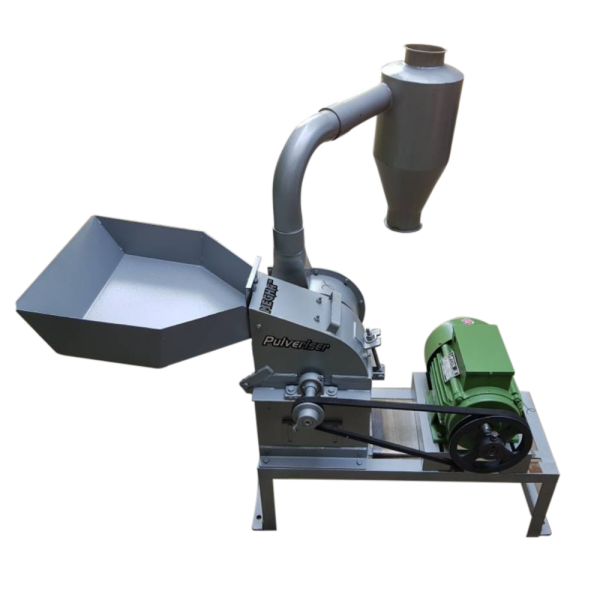
Spice processing demands accuracy because aroma, texture, color, and particle size influence the final product. For growing food businesses, organized machinery can simplify several production stages while maintaining a steady workflow. A Masala Making Plant brings grinding, blending, conveying, and related operations into a coordinated processing setup. Manufacturers can create a connected line suited to their output needs. Radhe Food Processing Machinery provides machinery solutions designed around practical processing requirements, helping businesses approach spice production with better organization, repeatability, and operational control. This structure can also support clearer production planning and daily coordination.
From Raw Spices to Finished Powder
A spice processing line begins with suitable raw materials. Cleaning removes unwanted particles before grinding starts. Depending on the recipe, spices may require different levels of size reduction. A Masala Making Plant can connect these stages so material moves through the process with less manual handling. After grinding, transfer and blending prepare the mixture for its next stage. Careful sequencing keeps production easier to monitor. This sequence supports smoother production and consistent routine.
Grinding Capacity and Particle Control
Grinding is central to spice production because different products require different textures. Chili powder, turmeric, coriander, and blended masalas may each need specific processing conditions. A Masala Making Plant can be configured around the desired capacity and product characteristics. Appropriate grinding equipment helps operators achieve a suitable powder consistency while managing production volume. Machinery selection should reflect hardness, moisture, oil content, and required fineness.
Blending for Uniform Spice Profiles
Once individual spices reach the required fineness, blending becomes an important stage. A well-designed Masala Making Plant can incorporate suitable mixing equipment for combining ingredients evenly. Uniform blending helps maintain the intended flavor profile. Operators can organize ingredient feeding according to the recipe and production sequence. This approach reduces handling and clarifies workflow. Flexible equipment can support multiple formulations. This helps with varied ranges.
Layout Planning for Better Material Flow
Factory layout influences how efficiently machinery can operate. Equipment should let raw materials move logically between stages. A Masala Making Plant works best when its arrangement matches available floor space, processing sequence, and access requirements. Conveying systems can reduce repeated lifting and movement between machines. Space around equipment supports inspection and servicing. Therefore, layout planning should accompany machinery selection.
Automation and Operator Convenience
Modern spice processing can benefit from controlled material movement and simplified machine operation. Depending on the plant design, automation can assist with feeding, conveying, grinding, mixing, or packing-related tasks. A Masala Making Plant with suitable controls can help operators follow repeatable processing steps. Automation does not remove supervision; it can reduce repetitive work and organize monitoring. Clear controls support regular operation.
Hygiene in Spice Processing
Clean processing conditions matter in food manufacturing. Dust, residue, and leftover spice material should not accumulate around equipment. A Masala Making Plant should therefore be selected with cleaning access and hygienic operation in mind. Smooth surfaces, accessible components, and sensible equipment placement can make routine cleaning easier. Regular inspection of contact areas and transfer points remains useful. Consistent housekeeping supports a cleaner production environment and helps maintain dependable processing practices.
Equipment Support From a Specialized Supplier
Working with a Masala Making Machine Manufacturer can simplify machinery selection. A supplier can discuss capacity, spice types, grinding preferences, layout, and automation. Radhe Food Processing Machinery focuses on food processing equipment and can help businesses evaluate suitable machinery combinations. Technical discussions matter because requirements vary by product range, batch size, space, and output.
Capacity That Matches Business Growth
Machinery should support present production while considering future requirements. A Masala Making Plant can be planned around expected output, operating hours, product variety, and expansion possibilities. Oversized equipment can create unused capacity, while undersized machinery can restrict production. A balanced approach considers current demand alongside realistic growth, while expansion planning can keep the Masala Making Plant adaptable. Modular additions or upgraded controls may provide future flexibility.
Maintenance and Long-Term Performance
Regular maintenance helps processing equipment remain dependable, while a Masala Making Plant benefits from scheduled care. Operators should inspect grinding components, bearings, belts, electrical connections, seals, and parts according to equipment requirements. A Masala Making Plant benefits from scheduled cleaning, lubrication where applicable, and timely replacement of worn components. Maintenance records can reveal recurring issues early. Staff training adds another layer of protection because informed operators are more likely to notice unusual sounds, vibration, or changes in output.
Practical Value for Spice Businesses
A coordinated production setup can improve how a business manages daily manufacturing tasks, and a Masala Making Plant can support that organization. These benefits help businesses handling several spice varieties or rising order volumes. Machinery selection should remain connected to processing needs. Product characteristics, utilities, floor area, capacity, and workflow should guide the final configuration.
Conclusion
Efficient spice production depends on more than grinding equipment alone. Cleaning, size reduction, blending, material movement, hygiene, maintenance, and operator control all contribute to a dependable workflow. A Masala Making Plant brings these considerations together in a coordinated processing arrangement. With suitable planning, businesses can create a setup that matches their products and production scale. Radhe Food Processing Machinery can serve as a machinery partner for organizations assessing their spice processing requirements. Careful selection and disciplined operation can support consistent manufacturing.
 Tensile Fabric Structure: Modern Shade Solutions for Kuwait
 All in One PVC Card Printing Software for Smarter Card Management
 Porcelain Tile Slabs Supplier in Morbi for Modern Surface Design
 Durga puja chunri manufacturer for Devotional Festival Needs
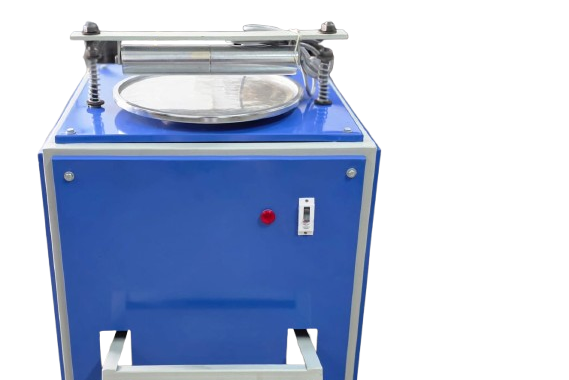 Papad Making Machine for Efficient and Consistent Papad Production
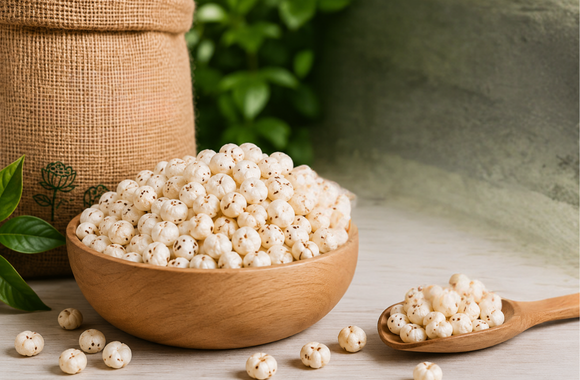 Makhana Exporter in India for Premium Quality Global Markets
 CS Entrance Test Classes for a Strong Start in Company Secretary Studies
 Festival Flags That Give Every Celebration a Distinct Identity
 Car Service London for Flexible and Convenient City Journeys
 Online Mock Interview for Stronger Answers and Career Readiness