Masala Making Machine for Efficient and Consistent Spice Production

The spice processing industry continues to grow as consumers demand high-quality spice powders and blended seasonings. To meet this increasing demand, manufacturers require advanced equipment that delivers speed, consistency, and efficiency. Reliable machinery helps businesses maintain product quality while improving production capacity. In modern food processing operations, a Masala Making Machine plays a vital role in transforming raw spices into fine, uniform powders suitable for commercial use.
As competition in the food industry increases, manufacturers focus on improving productivity and maintaining quality standards. Efficient equipment reduces manual labor, minimizes processing time, and enhances operational performance. Therefore, many businesses invest in a Masala Making Machine to streamline production and ensure consistent results across every batch.
Importance of Modern Spice Processing
Spices are an essential component of cuisines worldwide. Consumers expect spice powders to have consistent texture, color, aroma, and flavor. Achieving these qualities requires advanced processing methods and reliable machinery capable of handling different types of spices.
Food manufacturers rely on a Masala Making Machine because it provides precise grinding and blending capabilities. This consistency improves product quality and helps businesses meet customer expectations. Moreover, efficient processing reduces waste and supports higher production output.
Key Features of Advanced Machinery
Modern food processing equipment is designed to maximize productivity while maintaining operational simplicity. Features such as durable construction, easy maintenance, and efficient grinding systems contribute to long-term performance and reliability.
A high-quality Masala Making Machine can process a wide variety of spices, including turmeric, cumin, coriander, black pepper, and chili. Furthermore, advanced engineering ensures smooth operation and helps preserve the natural aroma and flavor of ingredients during processing.
Benefits for Spice Manufacturers
Investing in modern machinery offers several advantages for food processing businesses. Increased production capacity allows manufacturers to meet market demand more effectively. At the same time, automation reduces dependence on manual labor and improves workplace efficiency.
Many businesses prefer a Masala Making Machine because it delivers consistent output while minimizing operational costs. Reliable performance reduces downtime and ensures uninterrupted production, helping manufacturers improve profitability and maintain product quality standards.
Suitable for Various Food Products
The food industry utilizes spices in a wide range of products, including seasoning blends, instant mixes, snacks, sauces, and packaged foods. As a result, manufacturers require versatile machinery that can process multiple ingredients efficiently.
A versatile Masala Making Machine supports different production requirements and can handle various spice materials with ease. This flexibility makes it suitable for small businesses, medium-sized enterprises, and large-scale manufacturing facilities alike.
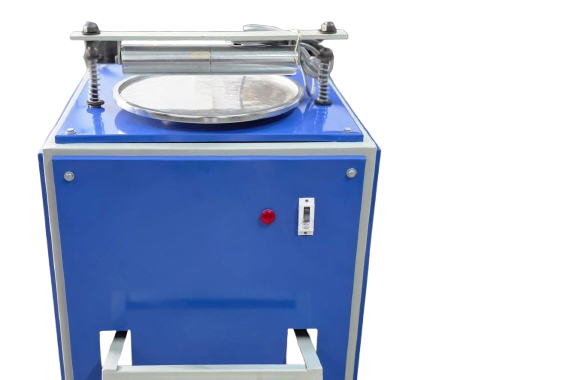
papad making machine
Many food processing businesses expand their operations by incorporating multiple production systems. A papad making machine helps manufacturers produce uniform papads efficiently while maintaining consistent quality and size. When integrated with spice processing equipment, businesses can create a more comprehensive production setup that supports multiple food categories. This combination enhances workflow efficiency, improves productivity, and enables manufacturers to diversify their product offerings while maintaining quality standards.
Improving Product Consistency
Consistency is one of the most important factors in spice manufacturing. Customers expect the same flavor, texture, and appearance every time they purchase a product. Any variation can impact customer satisfaction and brand reputation.
By utilizing a Masala Making Machine, manufacturers can achieve uniform grinding and blending results throughout production. This consistency helps maintain product quality and ensures that every batch meets predefined specifications. Consequently, businesses can build stronger customer trust and loyalty.
Energy Efficiency and Cost Management
Operating expenses significantly influence profitability in food manufacturing. Energy-efficient machinery helps reduce production costs while supporting sustainable business practices. Manufacturers increasingly seek equipment that balances productivity with resource conservation.
An efficient Masala Making Machine consumes less energy while delivering high-performance processing capabilities. Lower power consumption reduces operating expenses and contributes to long-term savings. Additionally, durable components minimize maintenance requirements and extend equipment lifespan.
Factors to Consider Before Purchasing
Selecting the right equipment requires careful evaluation of business needs and production goals. Factors such as capacity, automation level, maintenance requirements, and material quality should be assessed before making an investment.
Manufacturers often choose a Masala Making Machine based on processing volume and desired output specifications. Understanding these requirements ensures optimal performance and supports future business growth. Careful planning also helps avoid unnecessary expenses and operational challenges.
Why Choose Radhe Food Processing Machinery
Partnering with a trusted machinery manufacturer is essential for achieving long-term success. Reliable suppliers provide quality equipment, technical expertise, and dependable customer support that contribute to efficient operations.
Radhe Food Processing Machinery is recognized for delivering innovative solutions tailored to the needs of modern food manufacturers. Their machinery is designed to enhance productivity, maintain product quality, and support efficient processing operations. With a strong focus on engineering excellence and customer satisfaction, the company continues to serve businesses across the food processing industry.
Future of Spice Manufacturing Technology
Technological advancements are transforming the way food products are processed and manufactured. Automation, precision engineering, and energy efficiency are becoming essential components of modern production systems.
As industry requirements evolve, the demand for a Masala Making Machine continues to increase due to its ability to support consistent and efficient spice production. Businesses that adopt advanced machinery can improve productivity, maintain quality standards, and remain competitive in a rapidly changing marketplace.
Conclusion
Efficient spice processing is crucial for meeting customer expectations, maintaining product quality, and increasing production capacity. Advanced machinery enables manufacturers to achieve consistent results while reducing operational costs and improving workflow efficiency. With its ability to deliver reliable grinding, blending, and processing performance, a Masala Making Machine remains an essential investment for modern food manufacturers. By choosing solutions from Radhe Food Processing Machinery, businesses can enhance productivity, strengthen quality control, and position themselves for sustainable growth in the competitive food processing industry.
 Tensile Fabric Structure: Modern Shade Solutions for Kuwait
  All in One PVC Card Printing Software for Smarter Card Management
  Porcelain Tile Slabs Supplier in Morbi for Modern Surface Design
  Durga puja chunri manufacturer for Devotional Festival Needs
  Papad Making Machine for Efficient and Consistent Papad Production
  Makhana Exporter in India for Premium Quality Global Markets
  Ic7 Game: A Practical Guide to Features, Access and Safe Use
  Tax Consultants in Mumbai for Clear and Practical Tax Planning
  RS9 Come for a Simple and Convenient Online Experience
  Top Logistics Company in India for Smarter Business Growth