Infant Lung Simulator for Advanced Neonatal Care Training
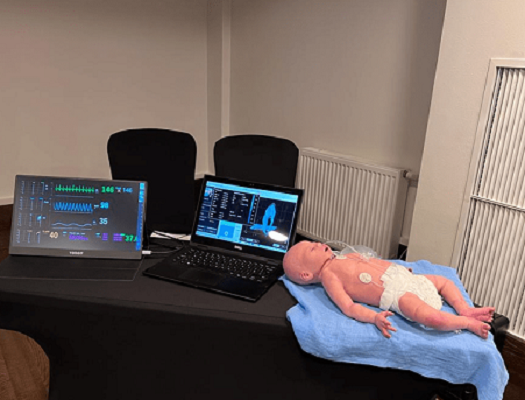
Healthcare institutions increasingly depend on Infant Lung Simulator technology to improve neonatal respiratory education and clinical accuracy. Modern simulation systems help healthcare professionals practice critical procedures safely while strengthening confidence and technical skills in controlled learning environments.
MAVERICK SIMULATION SOLUTIONS LIMITED develops advanced medical simulation technologies designed to support realistic healthcare education and neonatal respiratory care training. Simulation based learning allows clinicians, educators, and students to improve procedural understanding while minimizing patient related risks during training.
Benefits of Infant Lung Simulator in Medical Education
Medical education continues evolving through advanced simulation technologies that provide realistic learning experiences for healthcare professionals and students. Simulation systems improve practical understanding by allowing repeated training without placing real patients at risk during educational sessions. Many institutions implement Infant Lung Simulator systems because these solutions help learners understand respiratory mechanics and neonatal ventilation procedures effectively.
Simulation based education also improves teamwork, communication, and emergency response capabilities within clinical environments. Healthcare professionals gain valuable hands on experience through controlled practice scenarios designed to strengthen confidence and procedural accuracy. Improved learning experiences ultimately contribute to higher quality neonatal care and safer medical practices across healthcare facilities and specialized training programs.
Modern Features in Infant Lung Simulator Systems
Modern simulation technologies include advanced features that replicate realistic neonatal respiratory conditions and physiological responses for detailed educational experiences. Adjustable lung compliance, airway resistance simulation, and responsive ventilation controls create more accurate training environments for healthcare providers. Many healthcare organizations choose Infant Lung Simulator solutions because these advanced systems support comprehensive respiratory training and skill development effectively.
Interactive software integration also allows educators to customize scenarios according to educational objectives and clinical requirements. These features help medical trainees understand different respiratory conditions while practicing intervention techniques within safe simulation environments. Advanced simulation capabilities improve both technical understanding and clinical decision making for healthcare professionals working in neonatal care settings.
Importance of Respiratory Simulation Training
Respiratory emergencies in neonatal care require fast decision making, precise ventilation techniques, and accurate procedural execution from healthcare providers. Simulation based respiratory training allows clinicians to practice these complex procedures repeatedly before applying them in real medical situations. Hospitals and training institutions prefer Infant Lung Simulator technology because realistic respiratory simulations improve procedural competence and clinical readiness significantly.
Role of Simulation in Clinical Skill Development
Clinical skill development requires practical learning opportunities that allow healthcare professionals to strengthen technical abilities and procedural confidence safely. Simulation systems create controlled educational environments where learners can practice neonatal respiratory procedures without endangering patients. Many educators use Infant Lung Simulator systems because they improve clinical competency through realistic respiratory care scenarios and guided learning experiences.
Hands on simulation practice also helps healthcare providers understand ventilation techniques, airway management, and respiratory monitoring more effectively. Continuous training improves procedural accuracy while encouraging faster and more confident responses during neonatal emergencies. Healthcare institutions therefore continue investing in simulation technologies to strengthen clinical education and improve long term patient care standards.
Enhancing Healthcare Safety Through Simulation
Patient safety remains a major priority within healthcare education and neonatal clinical practice worldwide. Simulation technology reduces training related risks by allowing healthcare professionals to refine procedures before performing them in actual patient care situations. Many institutions rely on Infant Lung Simulator systems because they support safer learning environments and improve procedural confidence among medical teams.
Healthcare professionals also benefit from repeated practice opportunities that help minimize errors and strengthen technical understanding. Better preparation and improved clinical accuracy contribute directly to higher safety standards within neonatal respiratory care settings. Simulation based learning therefore continues supporting healthcare organizations seeking more effective and reliable training methods for clinical professionals.
Infant Io Leg
Modern neonatal simulation programs often include specialized procedural training equipment designed to improve emergency intervention skills for healthcare professionals. Infant Io Leg systems help clinicians practice intraosseous access procedures commonly required during neonatal and pediatric emergencies. These advanced simulation tools provide realistic anatomical structures and procedural feedback that improve accuracy during emergency response training sessions. Better procedural preparation also supports stronger clinical confidence and more effective emergency care within neonatal healthcare environments and pediatric medical training programs worldwide.
Technology Integration in Simulation Education
Technology integration continues improving the effectiveness of medical simulation through interactive learning systems and advanced educational software. Modern simulation platforms allow instructors to monitor learner performance, customize scenarios, and evaluate clinical competencies more efficiently. Healthcare facilities increasingly adopt Infant Lung Simulator technology because integrated digital systems enhance educational flexibility and overall training effectiveness.
Advanced reporting tools also help educators assess skill development while identifying areas requiring additional clinical practice. Technology driven simulation education therefore supports better learning outcomes and improved professional readiness for healthcare providers specializing in neonatal respiratory care and emergency interventions.
Customized Training Solutions for Healthcare Facilities
Healthcare institutions often require specialized simulation programs tailored to specific educational goals and clinical training requirements. Modern simulation systems provide customizable features that allow educators to create realistic respiratory scenarios based on different medical conditions and emergency situations. Many training centers select Infant Lung Simulator solutions because flexible customization options improve educational relevance and procedural learning experiences effectively.
Customized simulation programs also support professional development across different healthcare departments and medical specialties. Flexible training solutions therefore help institutions maintain higher educational standards while improving overall clinical preparedness among healthcare professionals working in neonatal care environments.
Conclusion
Advanced medical simulation technologies continue transforming healthcare education by improving clinical preparedness, procedural confidence, and patient safety standards worldwide. Modern respiratory training systems provide realistic learning experiences that strengthen technical skills and improve neonatal emergency response capabilities within healthcare settings. Many institutions now depend on Infant Lung Simulator solutions because they support accurate respiratory education, realistic simulation training, and better clinical performance for healthcare professionals.
 Hip Joint Replacement in India: Advanced Care for Better Mobility
  Gastronomic Bypass Surgery in India: Complete Guide to Weight Loss Treatment
  Liver Transplant Doctors in India for Expert Treatment and Care
  IVF Cost India: Complete Guide to Affordable Fertility Treatment
  Best Ayurvedic Medicine for Fatty Liver for Natural Liver Support
  CS Entrance Test Classes for a Strong Start in Company Secretary Studies
  Festival Flags That Give Every Celebration a Distinct Identity
  Car Service London for Flexible and Convenient City Journeys