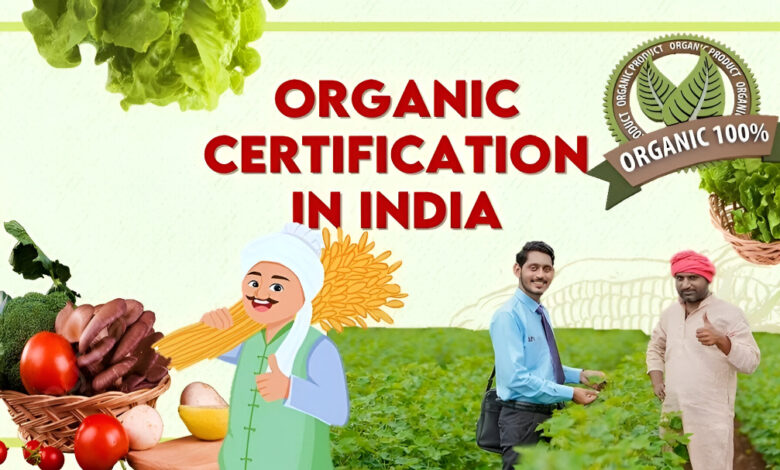
Organic Certification in India is a legal and quality assurance process that verifies whether agricultural products are produced according to approved organic standards. As consumer demand for chemical-free and sustainable products continues to rise, organic certification has become essential for farmers, manufacturers, exporters, and food businesses across India.
This certification ensures transparency, trust, and credibility in the organic supply chain. It also allows businesses to label, market, and sell their products as certified organic in domestic and international markets. Jcs Certifications provides professional support to help businesses complete organic certification in India smoothly and efficiently.
What Is Organic Certification in India?
Organic certification in India is a formal verification process conducted by accredited certification bodies. It confirms that agricultural products are grown, processed, and handled without the use of synthetic chemicals, pesticides, genetically modified organisms, or harmful additives.
The certification process follows guidelines set by national and international regulatory frameworks. These standards promote environmental sustainability, soil health, biodiversity, and consumer safety. Once certified, businesses can legally use the organic label on their products.
Why Organic Certification in India Is Important
Organic certification plays a crucial role in building trust between producers and consumers. Without certification, businesses cannot claim their products as organic. Certification provides proof that organic practices are followed consistently throughout production and handling.
Certified organic products often gain higher market value and wider acceptance. Retailers, exporters, and global buyers prefer certified suppliers due to regulatory compliance and quality assurance. Organic certification also helps Indian producers compete in global organic markets.
Types of Organic Certification Systems in India
Organic certification in India operates under two main systems:
National Programme for Organic Production
The National Programme for Organic Production regulates organic certification for exports and domestic trade. It is administered by the Agricultural and Processed Food Products Export Development Authority. This certification is mandatory for exporting organic products from India.
Participatory Guarantee System India
Participatory Guarantee System India is designed mainly for small farmers and local markets. It is a simplified and cost-effective certification model based on peer reviews and community participation. However, products certified under this system are not eligible for export.
Jcs Certifications helps businesses choose the right certification system based on their goals and target markets.
Who Needs Organic Certification in India?
Organic certification is required by various stakeholders involved in the organic value chain. These include organic farmers, farmer producer organizations, food processors, herbal product manufacturers, exporters, traders, and retailers.
Any business that wants to label or sell products as organic must obtain proper certification. Without certification, claiming organic status is considered misleading and may lead to legal penalties.
Step-by-Step Process of Organic Certification in India
The organic certification process involves multiple stages and strict documentation. Below is a simplified overview:
Application Submission
The applicant submits an application to an accredited certification body with details about land, crops, inputs, and production methods.
Documentation Review
All records related to farming practices, inputs, storage, and processing are reviewed to ensure compliance with organic standards.
On-Site Inspection
A qualified inspector visits the farm or facility to verify actual practices, land history, and record accuracy.
Compliance Evaluation
Inspection reports are assessed to confirm whether the applicant meets organic certification requirements.
Certification Decision
Once compliance is verified, the organic certificate is issued, allowing the use of approved organic labels.
Jcs Certifications provides end-to-end assistance during each step of organic certification in India.
Conversion Period for Organic Certification
The conversion period is the time required to shift from conventional farming to organic practices. For crops, this period generally ranges from two to three years, depending on the crop type and land history.
During the conversion period, farmers must follow organic practices even though products cannot be sold as certified organic until the period is complete. Proper guidance during this stage is critical to avoid delays.
Documents Required for Organic Certification in India
Documentation is a vital part of the certification process. Common documents include land records, farm maps, input purchase invoices, production records, storage details, and processing flow charts.
Maintaining accurate and updated records helps ensure smooth inspections and faster certification approval. Jcs Certifications assists clients in preparing and organizing required documentation.
Benefits of Organic Certification in India
Organic certification offers multiple advantages for businesses and producers. Certified organic products gain better market acceptance and price premiums. Certification also opens access to international markets with strict quality regulations.
Additionally, organic farming practices improve soil health, reduce environmental damage, and support sustainable agriculture. Certification enhances brand credibility and builds long-term consumer trust.
Cost of Organic Certification in India
The cost of organic certification depends on several factors, including farm size, product type, certification scope, and inspection requirements. Small farmers may incur lower costs under participatory systems, while exporters may face higher certification fees.
Although certification involves initial investment, the long-term financial benefits often outweigh the costs due to higher product value and market opportunities.
Challenges in Organic Certification
Some businesses face challenges such as lengthy conversion periods, strict documentation requirements, and regular inspections. However, with proper planning and professional support, these challenges can be managed effectively.
Working with experienced consultants like Jcs Certifications helps reduce errors, save time, and ensure compliance at every stage.
Role of Jcs Certifications in Organic Certification in India
Jcs Certifications offers expert guidance for organic certification in India. The company assists clients with application filing, documentation, compliance planning, inspection coordination, and certification approval.
Their professional approach helps businesses achieve certification efficiently while meeting all regulatory standards. Jcs Certifications supports clients across agriculture, food processing, and export sectors.
Maintaining Organic Certification Compliance
After certification, businesses must continue following organic standards. Annual inspections, record maintenance, and renewal processes are mandatory. Any non-compliance may result in suspension or cancellation of certification.
Ongoing support from certification experts ensures that businesses remain compliant and maintain their organic status without disruption.
Conclusion
Organic Certification in India is essential for businesses aiming to produce, market, or export genuine organic products. It ensures regulatory compliance, consumer trust, and long-term sustainability. With rising demand for organic goods, certification is no longer optional but a strategic necessity.
Jcs Certifications provides reliable and professional support to help businesses navigate the organic certification process successfully. By choosing the right guidance, producers can achieve certification smoothly and build a strong presence in the growing organic market.