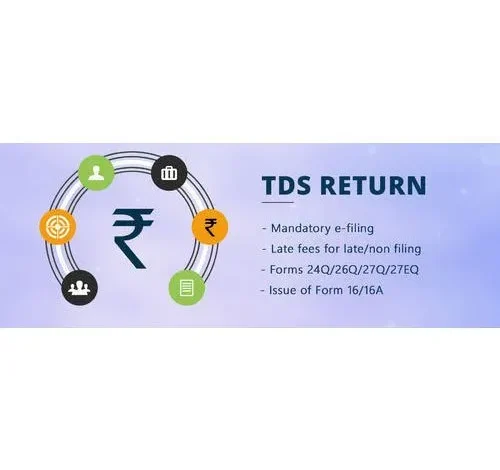
Managing tax compliance is a critical responsibility for businesses and deductors in India. Among these obligations, filing an E TDS Return plays a vital role in maintaining transparency with the Income Tax Department. At Clientfirst Professional Services, E TDS Return filing is handled with accuracy, efficiency, and complete regulatory compliance.
This guide explains everything you need to know about E TDS Return filing, its importance, procedures, deadlines, and how professional support can help you avoid penalties.
What Is an E TDS Return?
An E TDS Return is a quarterly statement submitted electronically by a deductor who has deducted tax at source. This return contains detailed information about the deductor, deductee, amount paid, and TDS deducted.
The Income Tax Department uses this data to update Form 26AS and ensure correct tax credit for taxpayers. Therefore, accurate filing of an E TDS Return is essential for both deductors and deductees.
Importance of Filing E TDS Return on Time
Timely filing of an E TDS Return is not just a legal requirement but also a financial safeguard. When returns are filed correctly and on time, businesses avoid unnecessary notices and penalties.
Late or incorrect filing may lead to interest, fees, and loss of credibility. Moreover, delayed returns can cause mismatches in Form 26AS, creating issues for employees or vendors while filing their income tax returns.
Who Is Required to File E TDS Return?
Any entity that deducts tax at source must file an E TDS Return. This includes companies, partnership firms, sole proprietors, government offices, and other deductors.
TDS may be deducted on salaries, professional fees, rent, interest payments, contractor payments, and other applicable transactions. Once TDS is deducted, filing the E TDS Return becomes mandatory.
Types of E TDS Returns
Different forms are prescribed for filing E TDS Returns based on the nature of payment.
Form 24Q is used for TDS deducted on salaries.
Form 26Q applies to non-salary domestic payments.
Form 27Q is required for payments made to non-residents.
Form 27EQ is used for TCS returns.
Choosing the correct form is crucial to ensure accurate reporting and compliance.
Due Dates for E TDS Return Filing
E TDS Returns must be filed quarterly. Each quarter has a specific due date set by the Income Tax Department.
The due dates generally fall in July, October, January, and May. Missing these deadlines may attract late filing fees under applicable sections of the Income Tax Act.
Therefore, planning ahead and maintaining proper records helps ensure timely filing without stress.
Common Challenges in E TDS Return Filing
Filing an E TDS Return may seem straightforward, but several challenges can arise. Incorrect PAN details, mismatched challan information, and calculation errors are common issues.
Even small mistakes can result in return rejection or demand notices. Additionally, frequent changes in compliance rules make it difficult for businesses to stay updated.
This is where professional assistance becomes valuable.
How Clientfirst Professional Services Helps
Clientfirst Professional Services offers reliable and structured E TDS Return filing solutions tailored to your business needs. The team ensures that all data is verified before submission, reducing the risk of errors.
Every return is prepared in compliance with current income tax regulations. From data validation to successful upload and acknowledgment tracking, the entire process is managed efficiently.
By choosing Clientfirst Professional Services, businesses gain peace of mind and focus on their core operations.
Step-by-Step Process of E TDS Return Filing
The process of filing an E TDS Return begins with collecting accurate transaction data. This includes deductee details, PAN numbers, challan information, and payment records.
Next, the data is validated using the prescribed utility. Once validated, the return is uploaded to the TRACES or income tax portal. After submission, acknowledgment is generated, confirming successful filing.
Clientfirst Professional Services ensures each step is completed carefully and within the deadline.
Benefits of Professional E TDS Return Filing
Professional filing reduces the risk of penalties and interest charges. It also ensures accurate reflection of tax credits for deductees.
Additionally, expert handling helps in resolving notices, correcting returns, and managing compliance efficiently. With professional support, businesses avoid operational disruptions caused by tax issues.
Clientfirst Professional Services provides dependable support to maintain consistent compliance.
Penalties for Non-Compliance
Failure to file an E TDS Return or filing it late can result in penalties. A daily late fee may be charged until the return is filed, subject to prescribed limits.
Incorrect filing may also attract penalties and scrutiny from tax authorities. Therefore, timely and accurate filing is essential to avoid financial losses.
Professional assistance helps prevent such situations effectively.
Why Accuracy Matters in E TDS Return Filing
Accuracy is the backbone of E TDS Return filing. Incorrect entries can cause discrepancies in tax records and lead to compliance complications.
Accurate returns help maintain trust with employees, vendors, and tax authorities. They also simplify reconciliation during audits and assessments.
Clientfirst Professional Services prioritizes accuracy at every stage of the filing process.
ConclusionClientfirst Professional Services
E TDS Return filing is a critical compliance requirement that demands precision, timeliness, and regulatory knowledge. From understanding forms to meeting deadlines, every step matters.
With Clientfirst Professional Services, businesses can rely on expert guidance and seamless filing support. Accurate E TDS Return filing not only ensures compliance but also strengthens financial credibility.
By choosing professional services, you safeguard your business against penalties and build a foundation of reliable tax compliance.